According to experts adding vitamin/mineral supplements in may help reduce fibromyalgia pain and symptoms! Vitamin deficiency often accompany fibromyalgia.

Before I got diagnosed with fibromyalgia my vitamin levels were perfectly normal. As the years pass, my vitamin levels continue to drop. I do know aging can causes our vitamin levels to be lower, however I believe fibromyalgia has played a part in my vitamin levels dropping fairly low. Research actually proves fibromyalgia can lower certain vitamins in the body, which may make fibromyalgia symptoms worse. There are actually theories out there that vitamin deficiencies are partially responsible for fibromyalgia development. I recently had blood work done and a I have learned a lot of my vitamin levels are extremely low.

Advertisements

Iron

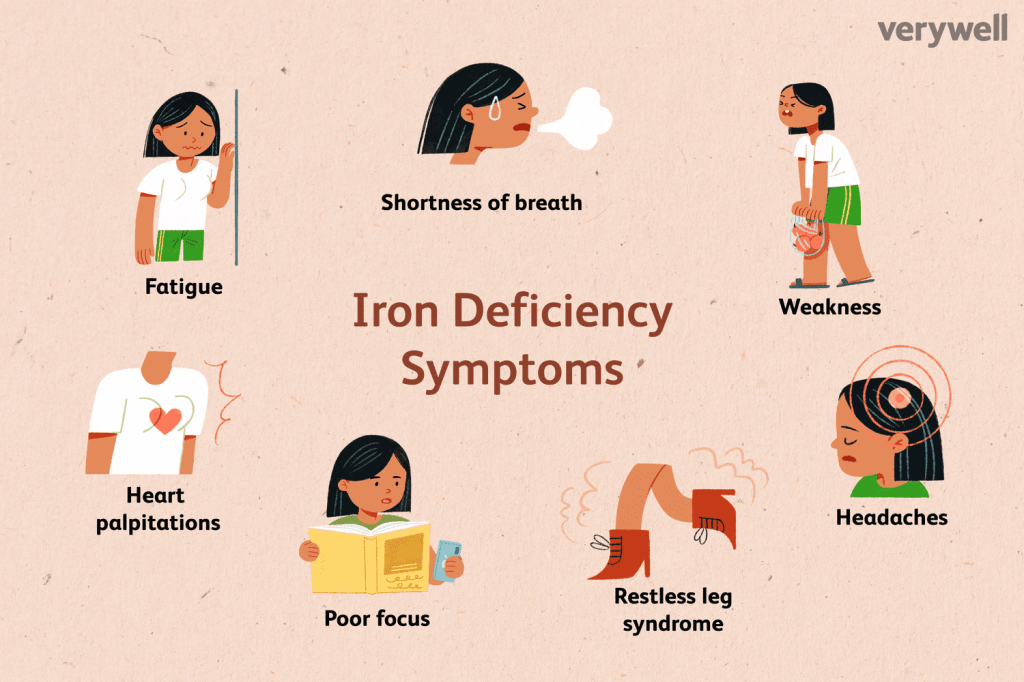
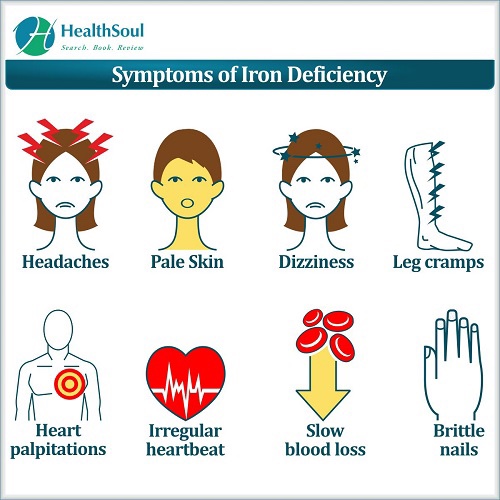
Having low iron levels can either mimic or possibly contribute to heightened fibromyalgia symptoms. Women with fibromyalgia are more likely to have iron deficiency. Low iron can cause extreme fatigue to form. For those of us with fibromyalgia the chronic fatigue, muscle/joint pain, headaches, weakness, further decreases endurance levels and sleep disturbances may all heighten, as low iron levels can cause all theses symptoms to arise. Having low iron can also cause a person’s pain threshold to lower and increasing pain sensitivities! I’ve had lower iron levels for some time now, even with iron supplements. I now wonder if low levels of iron are causing some of my fibromyalgia symptoms to feel worse.
Advertisements
Advertisements

A study done in 2010, revealed that there appears to be an association between ferritin levels and fibromyalgia. People with fibromyalgia tend to have lower levels of ferritin then those without fibromyalgia. Ferritin is responsible for storing iron in the body. For myself my ferritin level has remained stable. This study is older, but as far as I know there has been no current study done. Here is the link for the study.
Advertisements
Advertisements

You can read more about iron deficiency here.

Calcium

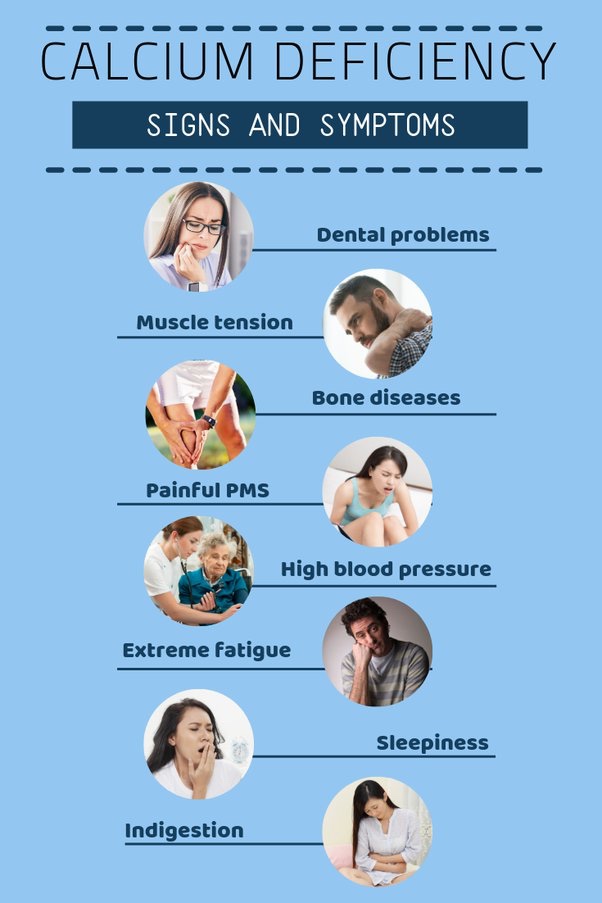
Studies reveal people with fibromyalgia often have a calcium deficiency. Calcium is the main content in bones and joints and is important in muscle contraction. Low calcium can cause muscle cramps, fatigue, lack of energy and can also lead to insomnia. In fibromyalgia our muscles remain tight and have a difficult time relaxing and contracting. Adding a calcium deficiency on top of fibromyalgia can possibly heighten the tight muscles and other symptoms. Here is a short article about fibromyalgia and calcium deficiency.
Advertisements
Advertisements

You can read more about calcium deficiency here.

Magnesium

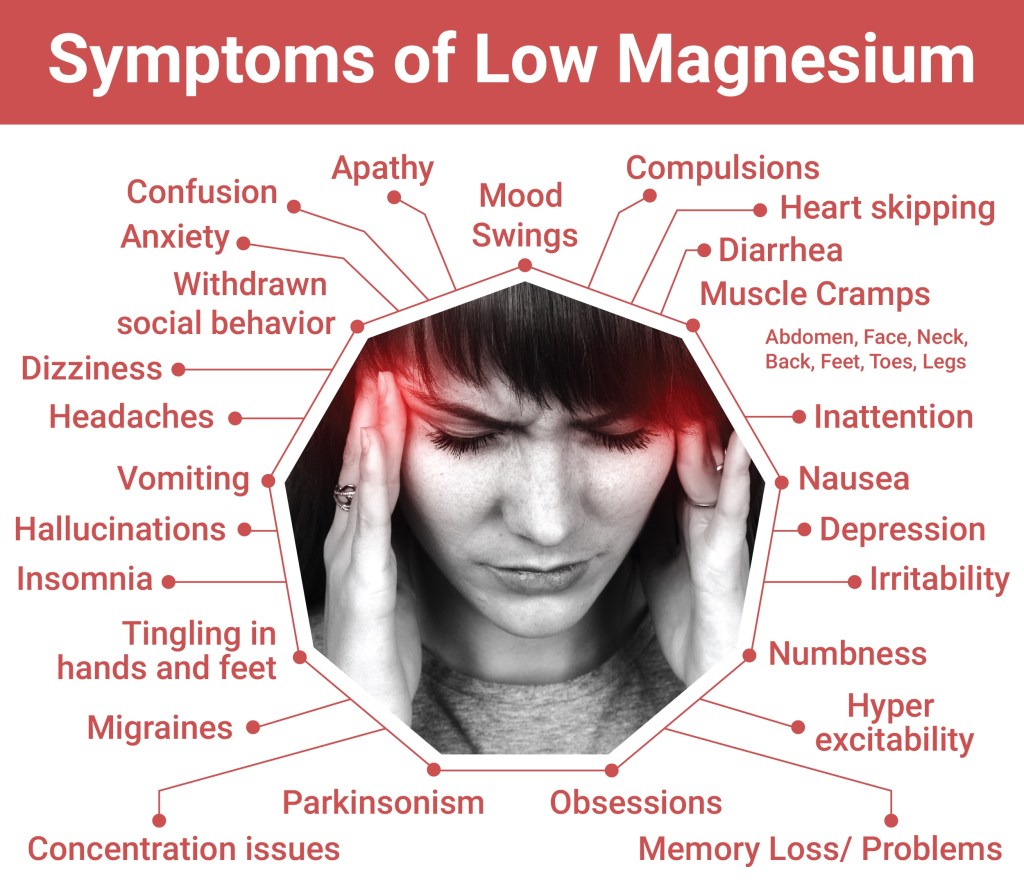
Magnesium plays a crucial role in our bodies – muscle and nerve functioning and energy production. Magnesium deficiency is associated with muscle cramps, fatigue, sleep disturbances, and anxiety. Again the result of a magnesium deficiency are all the common symptoms of fibromyalgia. Women with fibromyalgia are often seen to exhibit lower magnesium levels. Magnesium supplements are often recommended to help relieve fibromyalgia pain and other symptoms. Ever hear of Epsom salt?! You can purchase it at a pharmacy. Magnesium is the main ingredient in it. We are often told to soak in a tub with Epsom salt to help relax muscles. It is said that Epsom salt will be absorbed through our skin as we soak in the bath. However, this theory has not been proven. For myself Epsom salt makes me feel nauseous after. Doctors always told me it was because my body absorbs too much magnesium. You can read more about Epsom salt here.
Advertisements

Advertisements

You can read more about magnesium deficiency here.

Vitamin d

Vitamin d deficiency is frequently seen in people with fibromyalgia. It is common to have lower vitamin d levels during the winter months. We produce vitamin d when sunlight hits our skin. There are many symptoms of vitamin d deficiency. Some symptoms include muscle cramps/soreness body aches, fatigue/weakness,exhaustion and decreased endurance – which overlap with fibromyalgia symptoms. A study revealed people with fibromyalgia who used vitamin d supplements reported reduced musculoskeletal pain and helped improve their quality of life. You can read more about the study here.

Advertisements
Advertisements

You can read more about vitamin d deficiency here.

One can try to up their iron, magnesium, calcium and vitamin d thorough your diet to try to raise the levels. For myself, I have decided to add in supplements as it can be rather time consuming to keep track of it through diet alone. You can discuss with your doctor how many mgs of each supplement you may need to take. The supplements can be found in many different dosages. You can even consult a pharmacist to help guide you.
Advertisements

Before fibromyalgia is diagnosed, many other conditions should be ruled out. There are many conditions that can mimic fibromyalgia!

Polymyalgia rheumatica

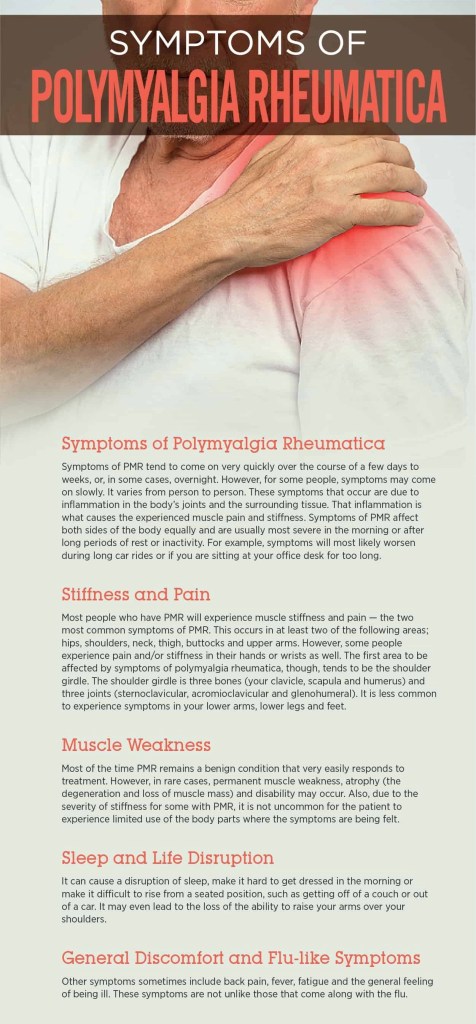
Polymyalgia rheumatica is an inflammatory disorder that can result in muscle pain, stiffness, muscle weakness, flulike symptoms and sleep disruptions. Before I got my diagnosis of fibromyalgia my doctor was debating whether my condition was polymyalgia or fibromyalgia. He was very certain I had one or the either. He ran a blood test to see if I had high inflammation markers to help diagnose. I had very little inflammation markers found – which led my doctor to believe it was fibromyalgia. One can still be diagnosed with polymyalgia even if there is low inflammation found. Polymyalgia can be treated with a corticosteroids.

Advertisements
Advertisements

You can read more about polymyalgia rheumatica here.

Rheumatoid arthritis.

Rheumatoid arthritis is an autoimmune disease. It is also an inflammatory disease. In rheumatoid arthritis the lining of your joints is affected. It causes painful inflammation that can lead to bone erosion and joint deformity! I originally went to the doctor because my finger joints were very painful and beginning to throb. My elbows were the same as my hands. According to blood test results, I was not showing signs of any autoimmune diseases and had a negative CPP result. A CCP blood test can usually detect antibodies present in rheumatoid arthritis. To be cautious my doctor referred me to a rheumatologist who screened me for RA. The rheumatologist did ultrasounds on both hands and my elbows. There was no evidence in my joints of any inflammatory joint disease being present. At this point RA was ruled out and the rheumatologist confirmed a diagnosis of fibromyalgia.

Advertisements
Advertisements

You can read more on rheumatoid arthritis here.

Multiple sclerosis (MS)

Multiple sclerosis is a disease that affects the central nervous system ( brain and spinal cord). The immune system will attack the myelin sheath that surrounds your nerves. It results in inflammation and destroys nerve cell processes and myelin. MS can cause pain, fatigue, stiffness, numbness and tingling and more. Often times health care providers will order an MRI to help determine if it is MS. Multiple sclerosis can cause lesions to form on the brain and cervical spinal cord. My doctor agreed to order an MRI. We both figured nothing would show. Results showed one lesion on my brain stem – usually where MS lesions are found. I was referred to a neurologist. The neurologist repeated the MRI. no other lesions were found. The lesion found was most likely causes by my migraines.

Advertisements
Advertisements

You can read more on MS here.

Lupus

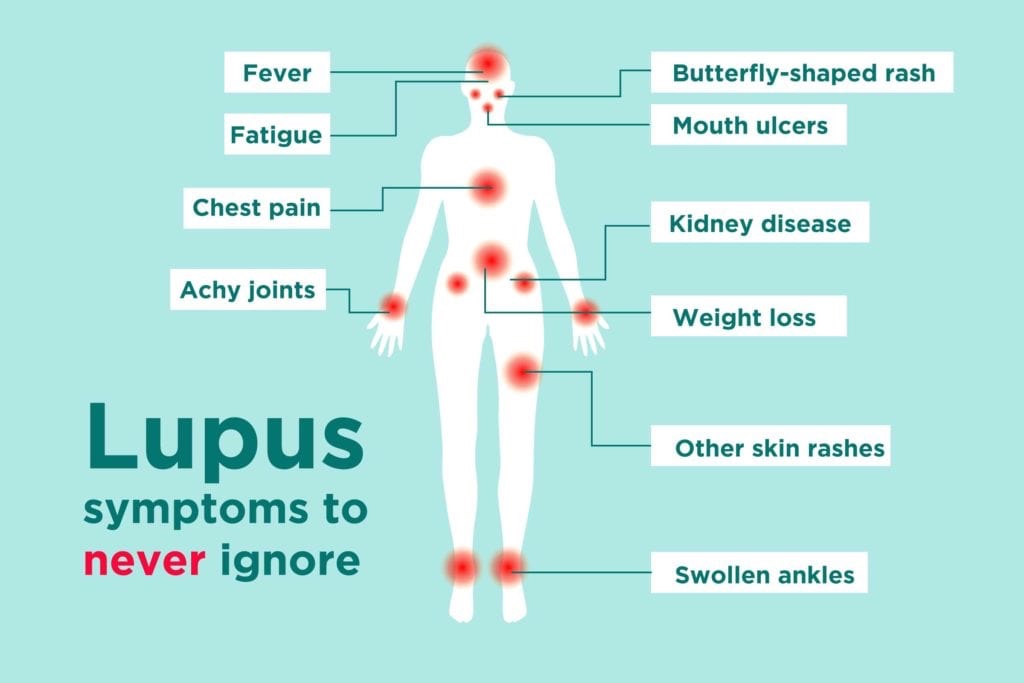
Lupus can also be misdiagnosed as fibromyalgia. However lupus is an autoimmune disease. Lupus involves widespread inflammation throughout the body and affects many organs. Your immune system will attack its own tissues and organs resulting in inflammation. Lupus can cause fatigue, muscle pain, fevers, headaches etc. Doctors can run a blood test to check your ANA levels in your body. A positive ANA test may mean you have lupus. 97% of people with lupus have antinuclear antibodies (ANA) in their blood. Keep in mind Just because your ANA test is positive doesn’t always mean you have lupus. My doctor ruled out lupus as my inflammatory markers were low and My ANA was negative. The rheumatologist also agreed I did not have lupus due to all blood work indicating negative results. I know people who had a negative ANA reading and still got diagnosed with Lupus.

Advertisements
Advertisements

You can read more about lupus here.

Chronic fatigue syndrome (CFS)

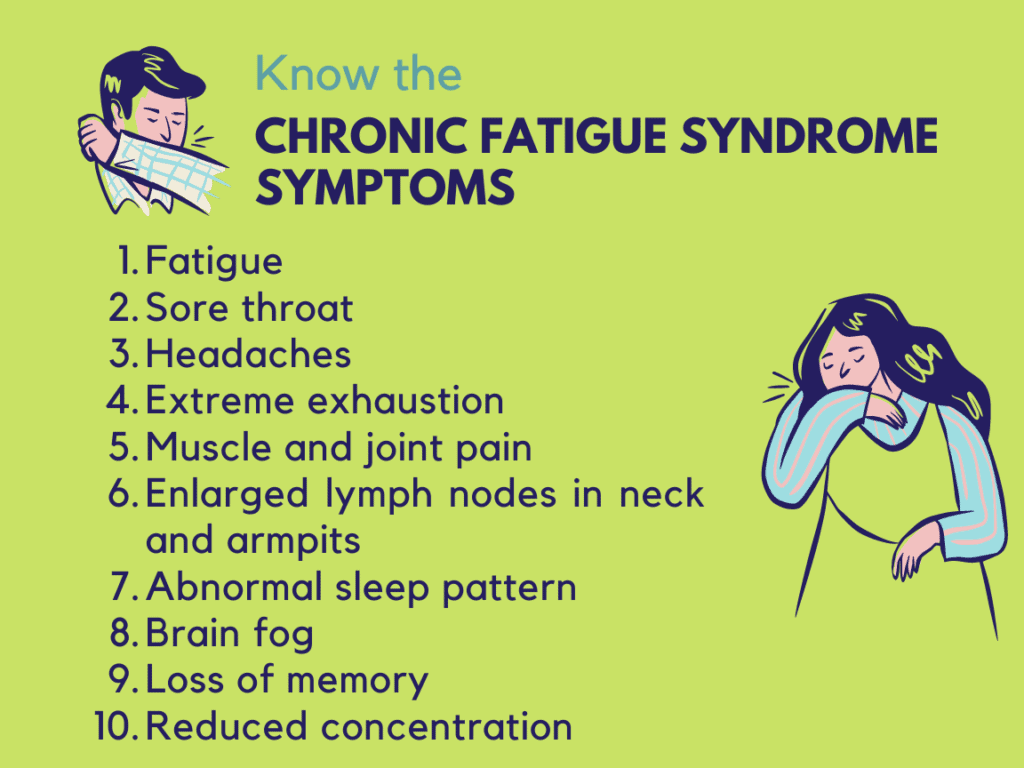
Chronic fatigue syndrome usually accompanies fibromyalgia. However, they are both completely different conditions. CFS symptoms can mimic fibromyalgia symptoms. Once again chronic fatigue syndrome is difficult to diagnose just like fibromyalgia. Fatigue does accompany fibromyalgia, but the fatigue felt in CFS can be worse and life altering. I have not been diagnosed with chronic fatigue, but I stand firm when I tell many health care providers that I have it. I suffer from daily sore throats, swollen lymph nodes, fevers, awake unrefreshed and any physical/emotional stress causes extreme exhaustion to result. This year I will be pushing the subject of CFS with my doctor.

Advertisements
Advertisements

You can read more on CFS here.

Lyme disease

Lyme disease is caused by the bacterium borrelia burgdorferi. People can contract it from ticks. Lyme has many fibromyalgia symptoms such as muscle/joint aches, swollen lymph nodes, headaches, fatigue, and rashes. In Canada it can be very difficult to get tested for Lyme disease. We do have testing for it, but I often hear it is not very reliable. Many people will seek Lyme testing in the USA or pay to see a natural path who can test for it, but it is sent to Germany to actually be tested. I often hear that even if it does come back positive, health care providers still so not accept the results. Maybe where you live, you have better options to being tested for Lyme disease.

Advertisements
Advertisements

You can read more about lyme here.

Thyroid diseases

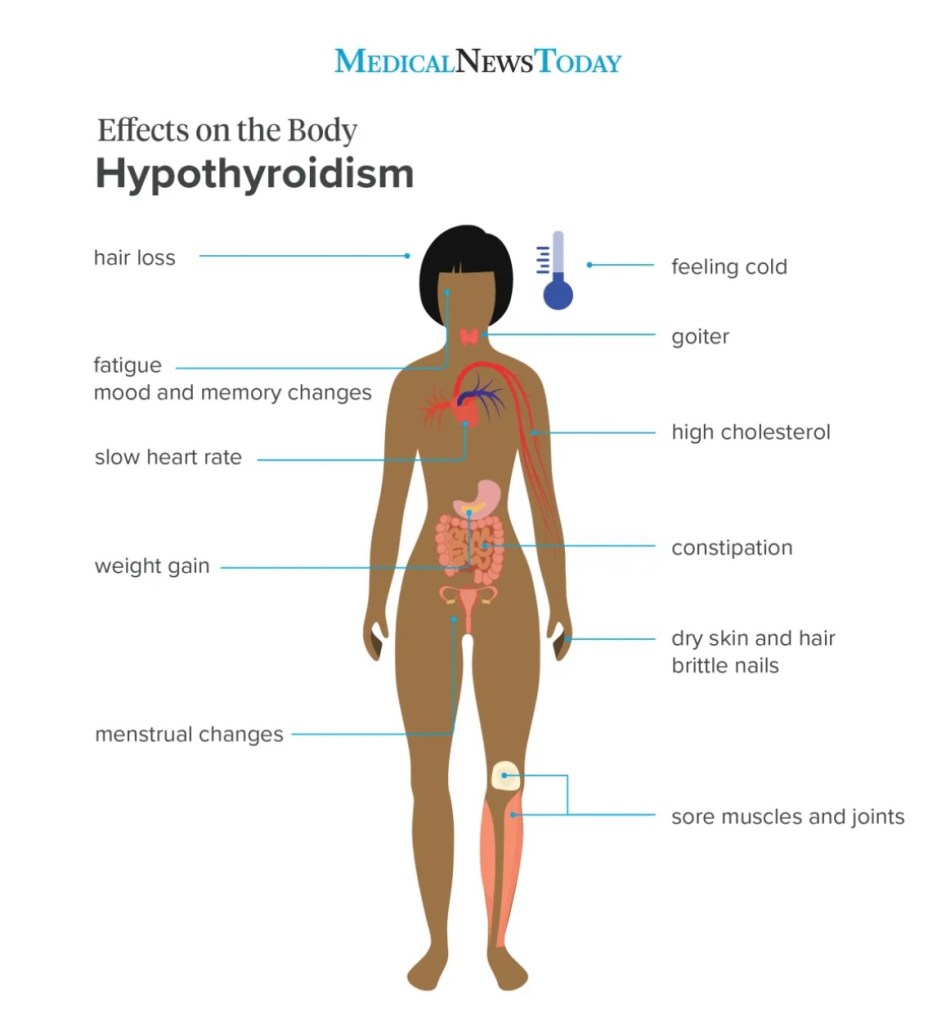
People with hypothyroidism may display symptoms of fibromyalgia such as fatigue, depression and muscle/joint pain. Hypothyroidism results when your thyroid doesn’t produce enough hormone. A simple blood test can confirm if you have hypothyroidism. It will test your TSH levels. (thyroid stimulating hormone) My doctor quickly ordered blood work, which indicated my thyroid was working as it should.

Advertisements

Read more about hypothyroidism here:

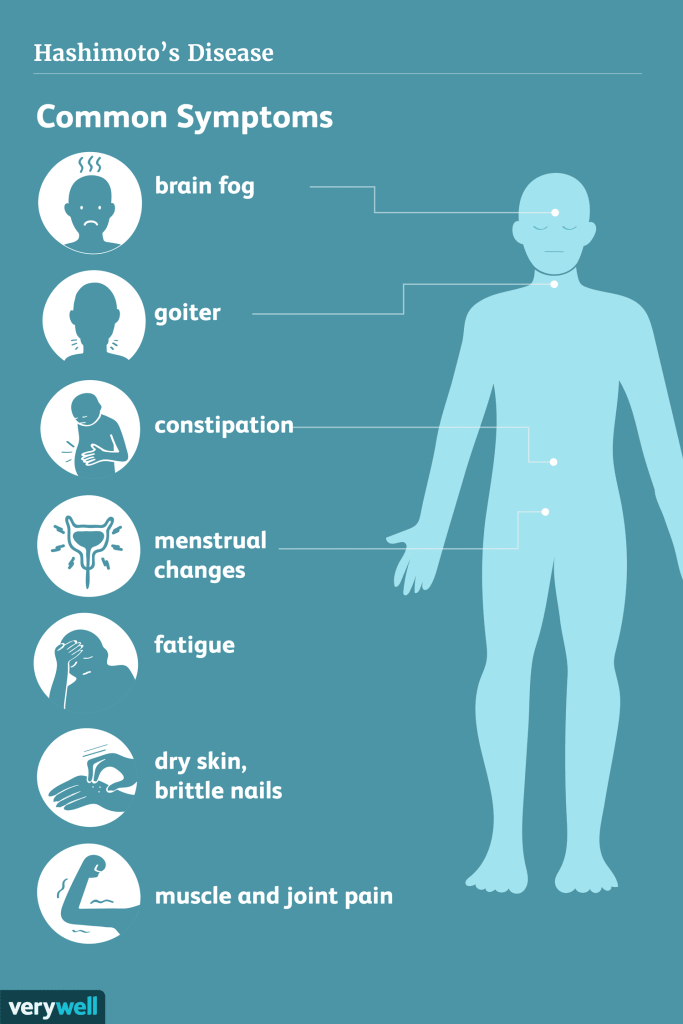
Hashimoto’s disease can also be mistaken for fibromyalgia. Hashimoto’s is actually an autoimmune disorder. A health care provider can order a test to see if there are specific antibodies in your body. The antibodies created by your immune system attack thyroid cells as if they were bacteria or viruses – leading to damaged cells and cell death.

Advertisements

Read more about Hashimoto’s here:

I am sure there are possibly more conditions that can be mistaken for fibromyalgia. However, these are the ones that come to mind. I’ve had many of these conditions ruled out from blood work. Many are autoimmune diseases and my blood work indicates no autoimmune diseases detected. One can still be diagnosed with an autoimmune disorder with negative indicators – but in my case it has been ruled out.

Advertisements

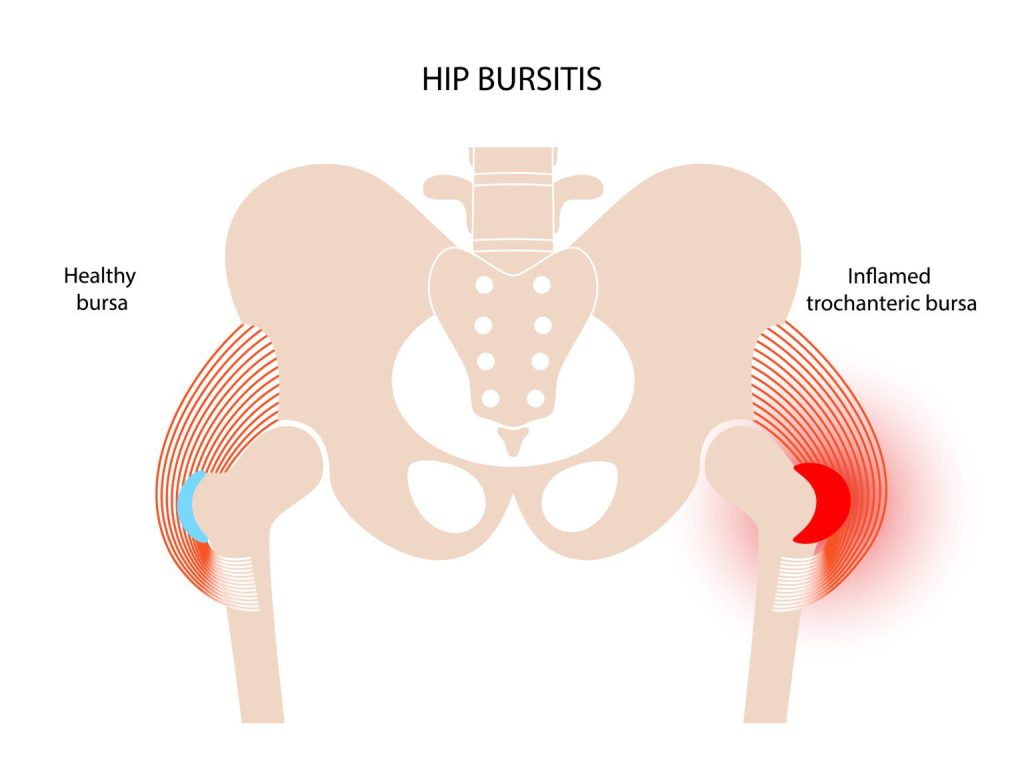
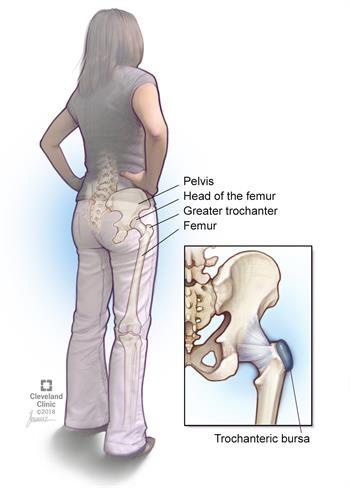
People with fibromyalgia can develop trochanteric bursitis – which results in swelling and hip pain.

Have you ever heard of trochanteric bursitis? It is common condition that can form in people who have fibromyalgia. Trochanteric bursitis affects the fluid filled sacs (bursae) found between bones and soft tissues of the joints. The outer lining of the bursae becomes inflamed. I have recently had a lot of hip pain through the night, which prevents me from sleeping. No matter what position I try to sleep in, both hips ache with pain. I decided to research ” fibromyalgia and hip pain – and trochanteric bursitis was the first condition that showed up on my browser. After reading about bursitis – it sure sounds like this could be what I am experiencing. I will be getting it checked by a doctor in then near future.

Advertisements
Advertisements

What are the symptoms of hip bursitis?

  • Joint or hip pain
  • pain in the hip , buttocks and thigh
  • Pain when laying on the affected side ( in my case it is both sides)
  • May have soreness when you push on your hip area
  • Hip pain taking part in certain activities
  • Pain when you walk up stairs
Advertisements

For myself I find my hip pain worse when I am trying to sleep. I tend to sleep on my side, so there is always pressure on my hips. I wake up with one hip sore, so I switch to the other side. It eventually wakes me up from being so painful. It is a dull aching. I spend half my night trying to get comfortable. I even try to sleep on my back, but after I have pain on both sides of my hips, even that is too painful. My hip pain is not consistent, but I go through periods where it remains painful for weeks. By morning, it is difficult to stand up out of bed and aches on and off all day.

Advertisements

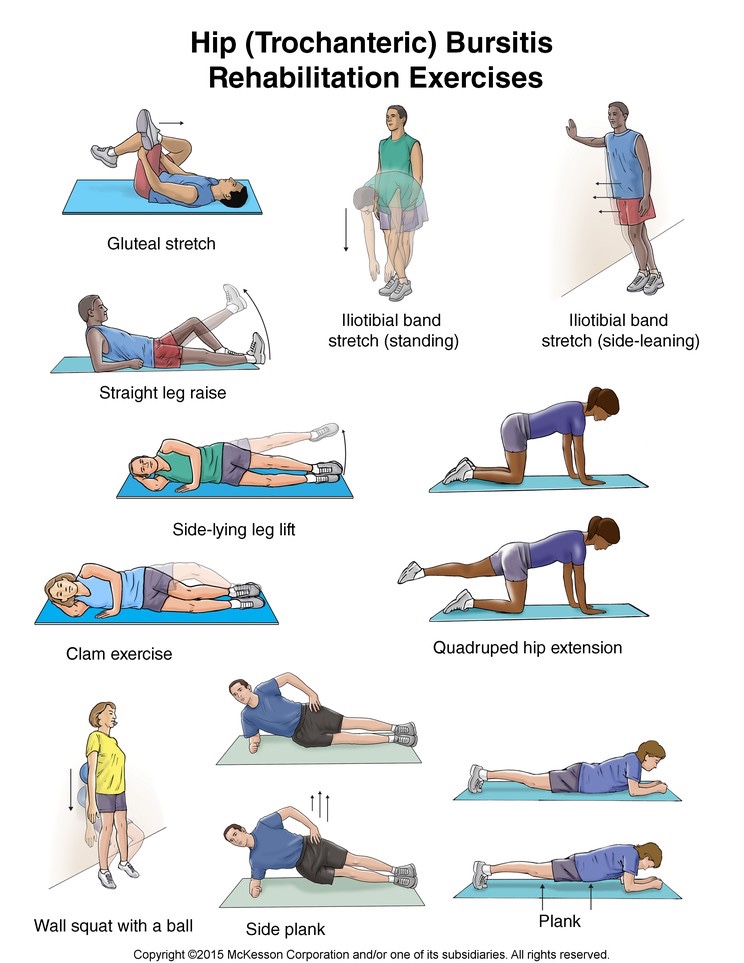
Treatment of bursitis often requires one to rest and allow the swelling to subside. This is the most important part of healing. One must avoid activities that could make the bursitis worse. If you do not, the recovery time may become longer. Icing the areas will help the pain levels and help decrease inflammation. I did read you can use heat later on. Over the counter anti inflammatory medications such as naproxen can be used. Your doctor may even prescribe a prescription anti inflammatory. If you are able to add in stretches, it is recommended. People who suffer from bursitis often have a tight IT band. Fibromyalgia itself can also cause a tight IT band due to the muscle tension. If the above treatments fail steroid injections or surgery may be considered.

Advertisements
Advertisements

When I speak to my doctor next week, I will have her assess me to be sure it is bursitis. I have been reading that bursitis and osteoarthritis can be mistaken for each other. I do know I have arthritis starting in my neck, but I’m unsure about my hips. My hip pain has only become a major issue in the last several months. I rarely had hip pain before this. The hips can also be a tender point area for fibromyalgia pain to attack. Always be sure to speak to your doctor first. Don’t assume it is automatically bursitis.

Advertisements

Here is A link about bursitis and fibromyalgia!

https://www.news-medical.net/amp/health/Fibromyalgia-with-Bursitis.aspx

Advertisements

Experts reveal people with fibromyalgia do not remain in deep sleep long enough to benefit the body!

For those of us with fibromyalgia, we soon realize we do not sleep like we used to. Our sleep patterns change overtime. Most people with fibromyalgia eventually develop sleep disturbances. Do we really stop to think about what changes our quality of sleep?!

Advertisements

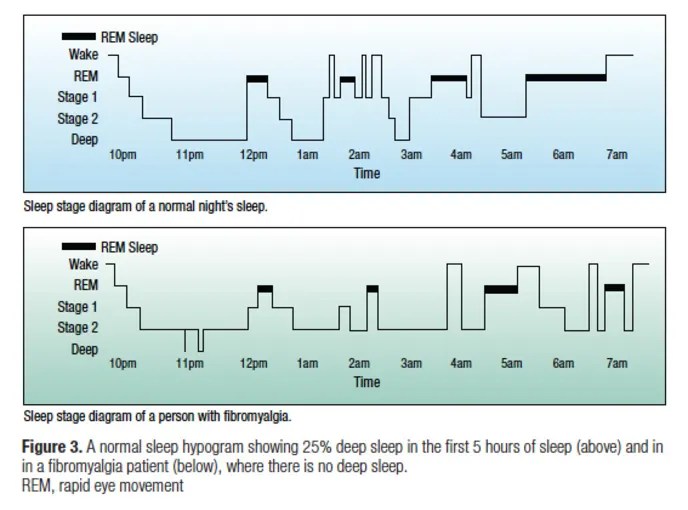
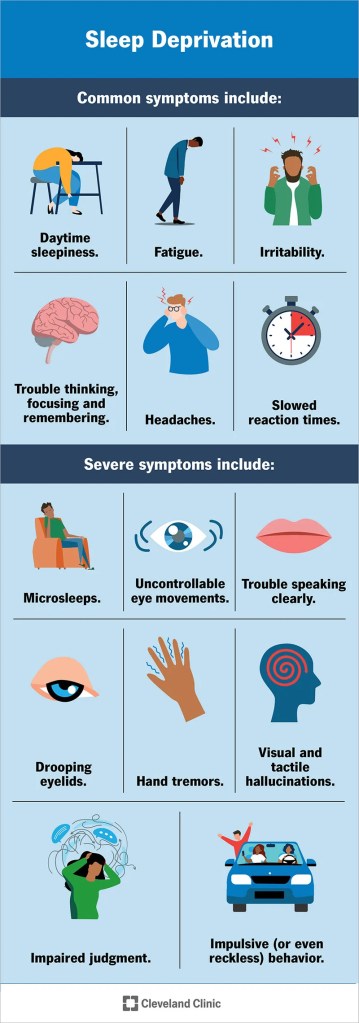
People with fibromyalgia develop sleep patterns that remain choppy, inconsistent and leaves us feeling unrefreshed when we awake. Obviously chronic pain through out the night can continuously wake us up, but there is scientific proof showing people with fibromyalgia experience inadequate deep sleep. When we lack deep sleep, we may experience daytime fatigue, impairments to cognition such as slower thinking, reduced concentration and even muscle pain!! We experience sleep deprivation. A healthy person experiences a predictable sleep pattern -entering into each stage of sleep for so long and in a specific order. Deep sleep is the most important of all the sleep stages that take place.

Advertisements
Advertisements

According to research, people with fibromyalgia do not spend much time in the deep sleep stage. The deep sleep we do get is often interrupted by “wakeful” brain waves that are normally only seen in a wakeful brain – known as alpha wave intrusion. The alpha wave intrusion seems to be connected to the stress response center. In healthy individuals the alpha waves are not active during sleeping. However, the alpha intrusions remain active in people with fibromyalgia, waiting to fight off a threat. This information takes us back to the flight or fight response. Our alpha brain waves are stuck in the fight response and “sleep with one eye open”. In 1975, Dr Moldofsky, was able to induce fibromyalgia muscle pain and fatigue in healthy college students. After a few nights of sleep deprivation, muscle pain and fatigue resulted. Both symptoms went away after they got deep sleep again.

Advertisements
Advertisements

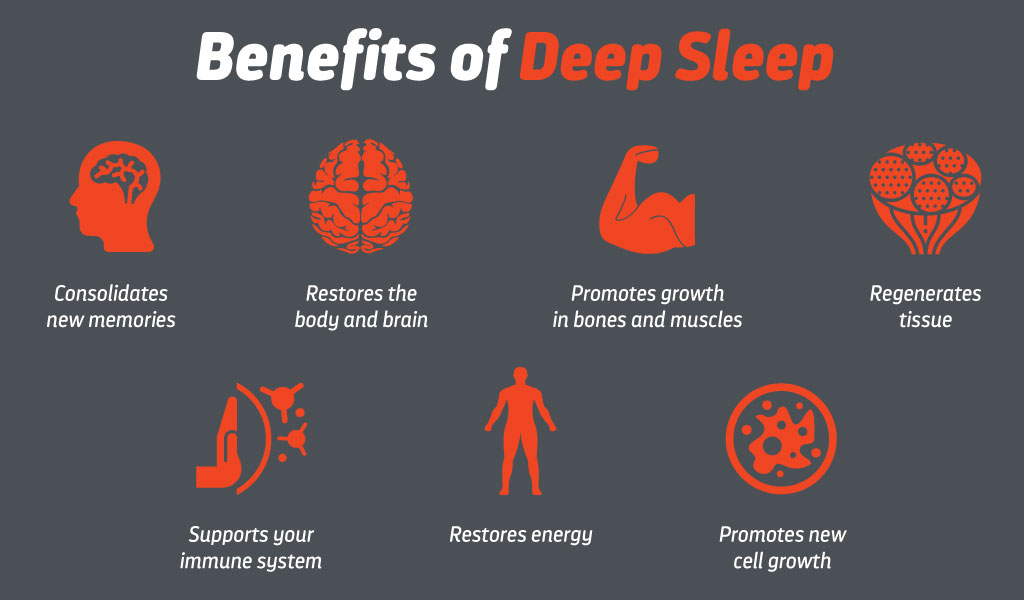
As we fall into deeper stages of sleep, our muscles cleanse themselves of metabolic debris. Experts state that in fibromyalgic muscles, there is an overabundant amount of “leftovers” because our muscles are constantly contracted. The contracted muscles do not allow for restorative rest needed to cleanse the muscles at night. Our brain also self cleanses itself while in deep sleep – removing harmful toxins. The build up of debris can possibly cause muscle twitches, pain and weakness to form.

Read more about deep sleep here.

Advertisements
Advertisements

Doctors may suggest using medications that help a person stay in the deep sleep stage longer. I won’t list medication names here as depending on where you live, each medication may or may not be approved. I would advice you to speak to your doctor for more information. You can also work on practicing strategies to get a good nights sleep. You can find the list in my previous blog here.

https://fibrofighter.ca/2022/11/07/fibromyalgia-and-insomnia/

Advertisements

What I took for granted before I got diagnosed with Fibromyalgia!

Being able to get out of bed. Before being diagnosed with fibromyalgia, I always wished I could stay in bed just for ten more minutes when my alarm rang. When you live with fibromyalgia you soon learn just finding the courage to get out of bed every morning becomes overwhelming. Some days I get up and I find myself back in bed an hour later because sitting on the couch is painful, movement hurts and is unbearable or I cannot function at all. The chronic fatigue and pain can become very debilitating!

Advertisements

Being able to shower and personal hygiene. Before I was diagnosed with fibromyalgia a shower was refreshing, a way to wake up and relaxing at the same time. Showering never felt like I was using any energy. Now, showering can be painful and exhausting. The longer I stand in the shower – my legs begin to ache and my feet and toes hurt with jumping pain. I never know where the pain is going to hit next. Washing my hair makes my arms ache, feel heavy and my fingers begin to cramp up. I often get out of the shower feeling absolutely exhausted and find myself laying back in bed to recover! I never thought I wouldfind myself having to rest after showering. Some days even brushing my hair hurts. The brush touching my scalp can cause pain and if I comb over a few knots in my hair it can trigger my brain to send out migrating wide spread pain through-out my body! Even brushing my teeth can hurt at times. My hands may cramp up and ache, and my back begins to throb from standing in front of the sink

Advertisements

Being social. I was never an overly social person, but I still went out to visit friends. Living with fibromyalgia I have become a home body. I do still try to keep in touch with friends through text or a quick call. I do miss going out for dinner, concerts or just hanging out in general. Being social and interacting with others when living with chronic pain can become exhausting. Even carrying out a conversation is difficult at times as I suffer from brain fog and often search for my words.

Advertisements

Sleeping without any issues or waking up feeling refreshed. Since I got diagnosed with fibromyalgia I have not been able to get a decent night sleep. I took part in a sleep study which revealed normal findings. The pain constantly wakes me up all night long, or insomnia decided to attack. I often lay in bed and experience “painsomnia”. – exhausted but in too much pain to sleep. Even when I do manage to get a full night rest, without waking up I wake up feeling exhausted and I can’t function!

Advertisements

Grocery shopping. Before fibromyalgia, I used to automatically go grocery shopping every Saturday or Sunday morning to prepare for my busy week ahead. It just becomes a routine. Now to find the energy to drive to the grocery store is hard enough yet alone shopping. I have a difficult time pushing a grocery cart once it begins to fill with food. It absolutely exhausts me. After walking two or three aisles, the chronic fatigue sets in and it feels like I am dragging fifty pound weights behind me. I often have to rest the after shopping. Some times I can recover other times it becomes a movie day because shopping has proven to be too much.

Advertisements

Standing and walking. We learn at such a young age to stand and walk. As adults, it just comes naturally. I was one of those people who was not in a rush to get my drivers license as I grew up in a small town where walking everywhere was feasible. I used to walk to the stores, work ect. Being diagnosed with fibromyalgia, I am lucky to make a 15-20 minute walk. My feet hurt when I stand and I get major pain in my back. I miss just being able to go for daily walks.

Advertisements

Being able to work. Most people can’t wait for a day off of work to rest and just relax. I was like that before fibromyalgia. Now, I wish I could work! I’ve had to remain off of work due to the forever changing symptoms , pain and fatigue. Fibromyalgia is unpredictable! I miss socializing with coworkers, providing for myself and being independent. I do count myself lucky as I receive disability, but when on disability it is a fixed income that is lower then what I would make working full time! Cost of living continues to increase, but my monthly income remains the same.

Advertisements

Being able to be physically active. I used to be someone who was always on the go – biking, hiking, walking ect. Now, I have a difficult time walking up a set of stairs or taking a walk for even 15 minutes. The first thing doctors or health care providers tell someone with fibromyalgia is to exercise. How do you exercise when you do not have any energy to do it?

Advertisements

Being able to travel. Before fibromyalgia took a front seat in my life, I was spontaneous and travelled all the time. Now travelling takes alot of preplanning. It is exhausting having to imagine every single scenario that could cause chronic pain to increase or go out of control. I find even driving 10 minutes too much for me these days.

Advertisements

Cleaning and laundry. We all hate cleaning and laundry! However it is part of life. When you factor in fibromyalgia, both tasks become overwhelming. I often try to break up cleaning into smaller tasks to make it manageable. After I vacuum and wash floors I am struggling with lack of energy, major fatigue and pain through out my body or stop many times to rest. I often find myself having to lay down for several hours after. Folding laundry causes my finger joints to ache and my arms feel like they are on fire. I have found myself hanging most of my clothing in the closet to avoid folding so many articles of clothing.

Advertisements

Eating without pain. Eating a meal when you live with chronic pain can be challenging. Most times we eat and don’t really think about it. For myself I developed TMJ and my jaw hurts and locks if I bite down wrong or if I attempt to eat certain foods. I am often left with jaw pain after every meal. Some days even eating with a fork or spoon creates pain. To grasp the cutlery may cause my hands and finger joints to ache. I have been telling health care providers lifting food to my mouth and chewing the food makes me exhausted.

Advertisements

Invisible Documentary on Fibromyalgia – What do the doctors say in their interviews? What I found interesting.

I recently watched the newly released documentary on fibromyalgia – “Invisible.” produced by Nick Demos. The interviews with the individuals living with fibromyalgia did not surprise me – being I live with fibromyalgia myself and completely understand their struggles. What it did show me was that people all over the world with fibromyalgia do struggle with many of the same hardships. What I found interesting was the information presented by the doctors and wellness coach in their interviews.

Advertisements

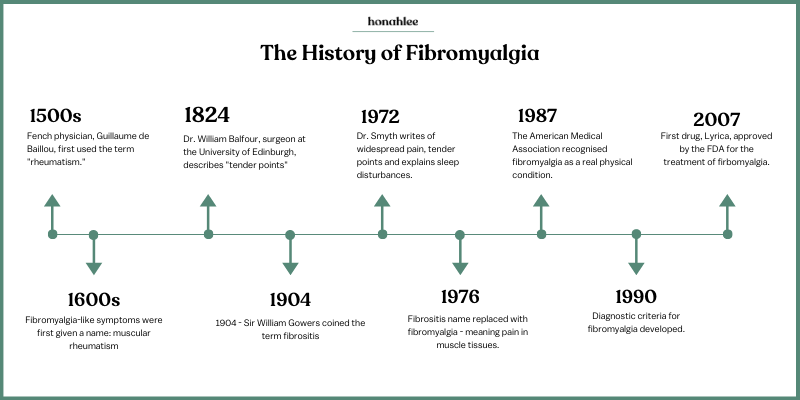
Dr. Liptan was interviewed in this documentary. She got diagnosed with fibromyalgia during medical school, has treated patients with fibromyalgia and now focuses her attention to research on fibromyalgia. She stated she feels we are 50 years behind in regards to fibromyalgia knowledge and treatments. Yes, you read that right, 50 years!!! In fact, she presented a time line of fibromyalgia. Did you know there was a 35 year gap on research or discovering anything new in regards to fibromyalgia!? We all know that there is lack of research, but I never thought there would be such an enormous gap between discoveries on a condition that is being diagnosed more and more. The first FDA approved medication to treat fibromyalgia was not even released until 2007! Reality is that wasn’t very long ago seeing as fibromyalgia was being diagnosed way before 2007! Liptan explains that she feels that fibromyalgia should be considered a disease, not a syndrome. She believes this because there is proof that there is consistent changes in the brain and body.

Advertisements
Timeline of Fibromyalgia- Not the exact one presented in the documentary.
Advertisements

Dr. Liptan also shared her thoughts about insurance companies and how they only pay for certain medical routes. Most support people with fibromyalgia need, is not covered by insurance companies – vitamins, maintenance appointments such as acupuncture, massage, myofascial release, ect. Dr. Liptan states insurance companies will pay for MRIs and expensive medications, but all she wants in some cases is to see insurance pay for a gym membership. It does make sense. I was told from day one I should utilize the gym, but I can’t afford to pay for a membership. Same goes with swimming – all the doctors I saw recommended swimming as a treatment option for fibromyalgia as it is a low impact exercise. However, who can afford a membership? Even a monthly membership to the pool can get costly not to mention the money spent on gas to travel to and from the rec center. In my case, the pool is on the completely opposite side of the city then I live.

Dr. Liptan – Author of the Fibro Manual
Advertisements

Tammy Stackelhouse, who is a fibromyalgia coach and also has fibromyalgia herself was also shown being interviewed by Nick Demos in Invisible. Demos and Stackelhouse converse about how many people can’t afford the holistic treatments that insurance either has a cap on how much they will cover yearly or simply do not cover these treatment options at all. Nick asks what happens then!? I know many people who can’t afford treatments being recommended to them such as yoga, massage therapy, acupuncture..the list goes on – especially with cost of living continuing to increase! I know there are many yoga, tai chi, ect. self directed videos online, but when you factor in chronic pain, it is not as simple as taking part in these follow along videos. There are a lot of other aspects to consider when dealing with chronic pain – which many of us need the guidance with, but don’t receive. Stackelhouse’s response is very realistic and hit me hard emotionally. She states, ” There is not a-lot of hope!” People in these difficult situations – of not being able to get treatment because they can’t afford these routes – “are probably not living really.” In my own struggle with fibromyalgia I often told my doctor I felt I was only existing and not living anymore. When we wake up with chronic pain – pain that hits levels of 10 that lasts all day long and go to bed in pain it makes life unbearable! No one wants to live life trying to “survive” instead of enjoying life, but for many of us living with fibromyalgia that is reality.

Tammy Stackelhouse – Fibromyalgia wellness coach
Advertisements

Stackelhouse explains there is a hopelessness in the fibromyalgia community. How true this statement is. I think all of us who live with fibromyalgia feel hopeless at some point during our journey! How can we not!? We get diagnosed with fibromyalgia which currently has no cure and then we are often left on our own without guidance to figure out how to limit our chronic pain. We are left to adjust to life with fibromyalgia. Many of us may even feel like we have “lost our identity” – of who we are. Through our journey we encounter doctors who believe fibromyalgia is not real and we are often told to get used to it as this is now your life. I recently had two back to back experiences with doctors who I believe do not believe fibromyalgia is a big deal. I got dismissed stating I was not sick and got told my anxiety was the cause of why I was not feeling well. These doctor visits were not even fibromyalgia related.

Advertisements

Advertisements

Demos also gets diagnosed with fibromyalgia while filming the documentary. He visits Dr. Melissa Congdon ( who has fibromyalgia herself and treats many patients with fibromyalgia) who conducts a physical exam to look for a specific pattern of muscle spasms or swellings. I found this interesting information so I decided to do some research on Dr. Congdon. On her website she refers to Dr. St. Amand – who has examined over 10 000 patients with fibromyalgia. He noted in every exam – every patient had muscle spasms and swollen places ( he calls these nodules) scattered pattern like though out the body! 100% of the patients examined had nodules in their left anterior thigh. He believes if someone has nodules in their left anterior thigh they have fibromyalgia. I had never even heard of this theory. Why isn’t this way of diagnosing fibromyalgia used by doctors and specialists!? Is there not enough proof ? Or are doctors, specialists and health care providers just not aware of the information!? I don’t have the answer to this. Again, food for thought!

Dr. Congdon and Dr. St. Amand

I would recommend watching the documentary Invisible! It was put together well and very informative! You can rent it on Vimeo.

Advertisements

How owning a dog can help people with Chronic Pain – such as fibromyalgia!

When we have a chronic condition we often wonder how we will manage the responsibilities that come along with owning a pet. However, did you know pets can bring a sense of comfort for people living with fibromyalgia. Since I have dogs, I will focus my blog post around dogs. Dogs are often referred to as “mans best friend” for a reason!

Advertisements

People who suffer from fibromyalgia can become isolated from those around them. Owning a dog can provide companionship. A dog can’t hold a full conversation with you like another human, but can help ward off loneliness. If you own a dog and you are like me, you will find yourself talking to your dog!

Advertisements

Owning a dog can act as a distraction. No matter how much pain you are in, a dog always needs attention- Whether that is to feed, bath, throw a ball ect. My dog is still younger and gets acting silly. She races around the house acting like something is chasing her. It makes me laugh and takes away my focus on the constant pain I feel or any other fibromyalgia symptoms I may be dealing with. Even just sitting on the floor playing with my dogs helps distract my mind.

Advertisements

Experts say that just ten minutes petting a dog can help lower stress levels. We all know that stress heightens fibromyalgia pain and symptoms. Apparently as you pet and interact with your dog, the stress hormone cortisol significantly drops. The drop in cortisol levels, lowers muscle tension that may be contributing to pain levels. Experts also report increased oxytocin hormone levels are seen. The oxytocin hormone seems to have pain reducing potential! Dogs are used for pet therapy for this reason!

Here is a study done on dog therapy and fibromyalgia! Click here.

Advertisements

Owning a dog makes you have to get up and move/exercise. Even if you are only moving to let your dog outside – it still is movement! Often dogs will need a walk to help burn off energy. While taking the dog for a walk, you too are exercising! Even if it is just a 5 minute walk- you are still moving. Movement is important for fibromyalgia.

Advertisements

There are instances where an individual living with fibromyalgia may qualify for a service dog. Service dogs are trained to help with many tasks. They can be trained to bring the person different objects – even medication. Some people with fibromyalgia experience balance issues and may walk with a cane. A service dog may be trained to retrieve a dropped can that the individual cannot pick up themselves. Service dogs are also trained to open and close drawers and doors and even bring clothing. The benefits of having a service dog are endless. These are just a few examples.

Advertisements

Here are a few pictures of my fur babies!

Advertisements

Having a chronic illness/condition is a full time job!

If you have been forced to remain off work or given up your career due to a chronic condition, people often assume you don’t work! Having to live daily trying to manage the condition can actually become a full time job! A chronic condition is just that- chronic. There are many aspects that need addressing when you live with a condition that can become debilitating like fibromyalgia.

Advertisements

Before we even get a diagnosis we are often already adjusting life so we can function better. As we slowly adjust, we sit and wait for answers. Fibromyalgia is not an immediate diagnosis and is a process. We wait for tests to be completed, referral letters to be accepted and in general waiting for answers to why we hurt so much. Waiting can actually become a full time job in itself. You must be prepared for any upcoming appointments. As we prepare and wait for these appointments we keep on adjusting our lives to be able to get through the days the best we can.

Advertisements

Once diagnosed or even before, we have to learn how to live with a chronic condition. The life we once knew is no more and a new ‘normal’ needs to be found. One must learn their limitations and adjust life around those limitations. This is not an easy task! Nor does it happen overnight. It takes time. When you finally think you have it figured out, fibromyalgia decided to throw you an unexpected curve ball to knock you off track. New symptoms can arise daily and we are left scrambling trying to figure out a possibly remedy.

Advertisements

Self advocacy takes a-lot of time, preparation and energy. Do you know how many hours I have spent writing down medical information to share with doctors?! Too many to even remember! There are many questions to ask doctors or specialists, symptoms to be logged, medication lists, possible treatment routes, ways to lower pain….the list goes on and on. If we don’t advocate for ourselves who will!

Advertisements

Medication management. My medication list seems to grow longer and longer every year. It used to bother me that I had to be on so many medications, but I decided if I can function why should I be ashamed for using these medications!? I often thought people would think I was just a “drug addict”. Believe me, I tried to go medication free at the beginning of my fibromyalgia journey. The pain was too excruciating! I have daily medications I have to remember to take. I have to continuously manage how many days worth of medications I have left so I do not run out. When I go to the pharmacy, I often tell the pharmacy staff this is my second home as I’m there so much picking up medications and speaking to the pharmacists. Most medications I use leave behind side effects. These side effects also need managing. I may take medications to manage my pain, but these meds may leave behind numerous side effects to deal with.

Advertisements

Having to manage 24/7 symptoms can become exhausting then to add in a flare up makes managing pain even more complicated. Most of us learn to manage our flare ups, but there are times where our flare ups appear and we are left scrambling to find new strategies to try to find relief. Even on our most excruciating pain day there is no break because we have to always “troubleshoot” our own bodies. A strategy used yesterday may not help the next day! It is rather exhausting to always try to manage chronic pain.

Advertisements

Managing mental health. Often times when we are left dealing with a chronic illness, our mental health can become rather low. I know for myself I developed an anxiety disorder. We must learn to lower stress levels, anxiety and depression. High stress levels contribute to fibromyalgia flares and increased pain levels. We may need to take time through out the day to complete calming exercises to help lower stress and pain levels.

Advertisements

Attending weekly appointments or treatments. Often times we are encouraged to attend a program such as a pain clinic. Appointments can possibly be daily (Monday to Friday) depending on how your program is set up. You may be required to work with a kinesiologist one day, psychiatrist the next day and so on. Attending the appointments can be exhausting and leave us with higher pain and symptoms to manage after the fact.

Advertisements

Make sure to rest. People with a chronic illness such as fibromyalgia need to be sure to pace and rest when needed. Resting doesn’t sound like a hard task to do, but when it comes to fibromyalgia it can be. You need to learn to stop and rest at certain times. I decide when I need to rest from fatigue levels and pain levels. If I am cleaning and all of a sudden I notice dark bags under my eyes form, I know I need to stop and rest. If I do not, a flare up begins to start! Again this can be quite time consuming to be able to predict when to rest appropriately.

Advertisements

Researching. Fibromyalgia is not well understood. Some doctors have a great understanding of fibromyalgia while others do not. I often find myself researching a lot on my own. Knowledge is power. Arm yourself with as much information as you can. Researching when you have a chronic illness that is forever changing daily can take up alot of time.

Advertisements

Ten things NOT to say to someone with fibromyalgia or any chronic condition

1. Don’t tell me everything will get better. Fibromyalgia is a neurological condition with no cure. We can’t predict the course it will take. Some people find improvement, while others may never find any relief.

Advertisements

2. Don’t tell me to get more sleep because I say I’m fatigued. Did you know with fatigue, sleep does not improve the situation. Don’t get me wrong sleep is important, but with chronic fatigue, no matter how much sleep you get you don’t feel refreshed!

Advertisements

3. Don’t tell me to exercise. We are constantly told to exercise to improve fibromyalgia symptoms. Exercise may help relieve some symptoms, but it is not a cure!

Advertisements

4. Don’t tell me at least it isn’t fatal. It might not be fatal, but living with chronic pain 24/7 is life altering and debilitating. Fibromyalgia wears you down little by little. A chronic illness diagnosis is almost like getting a life sentence.

Advertisements

5. Don’t tell me I should get a job to distract my pain. If I could work I would. If my doctor deems me not fit to work, that is just how it is going to be.

6. Don’t tell me you also have the same aches and pains as I do. We may both have back pain, knee pain ect, but chronic pain is more intense then your regular sore back from sitting too long in an office chair.

Advertisements

7. Don’t ever tell me it is all in your head. This comment shows me lack of respect and understanding! If you must know it is all in my head – its a neurological condition!

Advertisements

8. Don’t ever say you are too young to have fibromyalgia. Age has nothing to do with it. Even children can be diagnosed with fibromyalgia!

Advertisements

9. Don’t ever say fibromyalgia isn’t real. If fibromyalgia wasn’t a real condition doctors would not be diagnosing so many people with it. There is also research to back up fibromyalgia does exist. It is just not well understood!

Advertisements

10. Do not ever tell me I don’t look sick! Fibromyalgia is an invisible condition – with over 100 symptoms.

Advertisements

Why do some doctors stigmatize fibromyalgia!?? My personal experience!

Why is there such a stigma attached to fibromyalgia!? Why do some doctors believe fibromyalgia is a real condition, while other doctors do not accept fibromyalgia as a diagnosis!? I was lucky that the doctor I first started to see in regards to fibromyalgia had an in-depth understanding of it and was supportive over the last 2.5 years. My doctor relocated last spring and I have been left seeing walk in clinic doctors at different clinics. I find it absolutely insulting the way some of the doctors reaction to the fact I have fibromyalgia. I often feel like having a fibromyalgia diagnosis on my file, red flags me right away.

Advertisements
Advertisements

I recently had to visit the local hospital due to the fact I had severe lymph node pain in my neck. After a three hour wait in emergency, the doctor spent literally 40-50 seconds with me in the exam room. He began asking me questions such as how long have I had a sore throat, cough, swollen lymph nodes and fevers. Any of us who live with fibromyalgia and chronic fatigue often suffer from all the above daily. I told the doctor I had fibromyalgia and his whole demeanor changed after mentioning this to him. He got frustrated that I could not answer his questions and soon dismissed me from the exam room after I told him a second time I could not verify how many days I ran a fever. Dismissed me without even addressing my sore throat. I got left sitting in a dark waiting room by myself where my anxiety began to rise. I left the hospital untreated and hysterical. I believe the fact I mentioned fibromyalgia made him think I was just at the hospital to pill shop or that my pain in my lymph nodes was not severe and made up. I would say this was the worst health care I have ever received in my life. I rarely go to the hospital, but the pain in my lymph nodes in my neck was so severe all I could do was sit and cry. At that point, the lymph node pain was more severe then my fibromyalgia pain when I am in a flare!

Advertisements

Later that morning I decided to attend a walk in clinic since I had no luck at the hospital. A clinic I had never gone to. A clinic where the physicians do not know my file and severity of fibromyalgia. The doctor did address my lymph node pain, but was more focused on the MRI results I had over a year ago. I had to keep repeating over and over that my MRI results were being overseen by my neurologist and to not worry about it. He soon found on my file that I have fibromyalgia and then told me my lymph node pain was caused by anxiety. There is a belief that anxiety can cause enlarged, swollen lymph nodes, but all the articles I read state its a highly controversial subject. There isn’t a medical connection between lymph nodes and stress. Lymph nodes function to fight off an infection. They do not swell to fight off anxiety. Again I left the clinic without treatment of my swollen painful lymph nodes. Instead the doctor concentrated more on my fibromyalgia and the fact I have high anxiety. His advice- lower your anxiety and the lymph node pain would reside. I actually had no anxiety until the hospital incident earlier that morning.

Advertisements

This morning I decided to go back to the clinic for a second opinion. I finally was heard. I have strep throat, tonsillitis and my right ear was starting to get infected!! That was three days since I saw the other two doctors. I had been sick for awhile, since these infections don’t just appear over night.

Advertisements

In the past I have also had to see different doctors for prescription refills and have to explain and defend why I am on each and every medication. If these doctors would look at my file, they would see these prescriptions have been in use consistently and prescribed by the same doctor before he moved. Some doctors feel like we are pill shopping, when we are not! I have left the clinic without prescription refills because the doctor did not want to refill them. Thankfully my neurologist stepped in and gave me 15 months worth of refills on several medications.

Advertisements
Advertisements

Why is it I have a difficult time getting my medications for fibromyalgia refilled, but someone else who needs the same drug for depression not have an issue!? Because fibromyalgia is stigmatized by many doctors. Sadly in this day and age I thought the stigmas would have been eliminated by now. Why should people with fibromyalgia defend their medication list each and every time they see a different doctor!? The truth is we shouldn’t have to. Nor should we feel like we have been denied care because a physician doesn’t understand fibromyalgia and continues to think it is caused by mental instability. After this experience, I was left feeling crazy, unheard and with high anxiety. I should not be left feeling unheard because fibromyalgia is marked on my file!

Advertisements

How can family/friends support someone with Fibromyalgia ( or any chronic illness)

1. In order to be supportive to someone with fibromyalgia or any chronic illness, you first need to understand what the condition is. Fibromyalgia is more then just chronic pain. Research is the best option to arm yourself with information. The web holds a-lot of knowledge at a click of a button. Just be aware of what sites you are reading, there are many misconceptions about fibromyalgia floating about. If your loved one is on medications – know that with the use of medications comes unwanted side effects. With knowledge comes greater understanding!

Advertisements

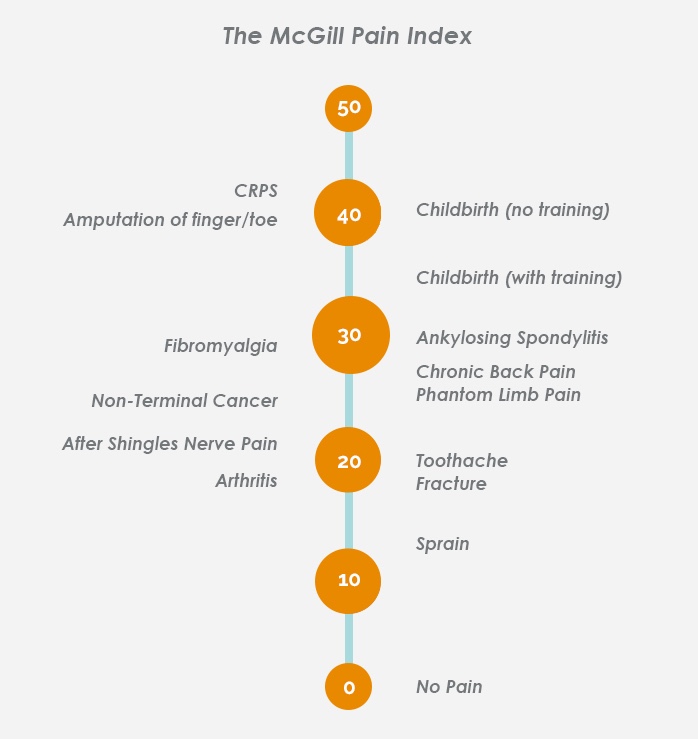
2. Understand the pain cycle and pain scale of chronic pain. Chronic pain is not the same type of pain a sprained ankle brings. The pain from a sprained ankle will eventually go away. Chronic pain is just that- chronic. It will not heal or go away. I am left dealing with extreme pain that is debilitating. Did you know fibromyalgia pain is listed on the McGill pain scale just below childbirth!?

Advertisements

3. Offer to help with tasks or chores around the house. Don’t automatically assume you need to do everything for me. I appreciate the help, but I still need to maintain a sense of independence. Fibromyalgia has takes away many things from me. Please allow me to continue to keep some independence, but at the same time offer help where you can. Even if you know a task I’m working on is going to possibly backfire and cause increased pain or symptoms to arise allow me to try. I often use these moments to evaluate my limits.

Advertisements

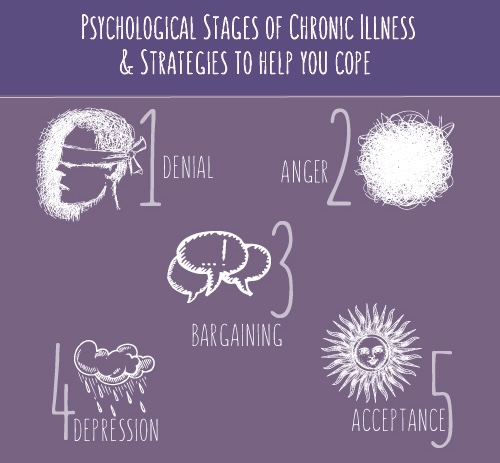
4. Please know that living with fibromyalgia we grieve who we used to be. I miss the full of life, spontaneous person I used to be too! It is said people living with any chronic condition, tend to go through the 7 stages of grief. I may be frustrated with myself, but it comes out as anger towards you. Let me say this now. I’m sorry for the way I react somedays. Frustration can get the better side of me. I am still learning how to accept my illness.

Advertisements

5. Chronic illnesses can cause a flood of emotions and can begin to effect our mental health. Please watch for signs of anxiety or depression quietly. Living in extreme pain and dealing with all the other symptoms cause mental exhaustion. I may not connect how living with fibromyalgia affects my mental health early on. If you notice any signs of anxiety or depression, please be gentle in telling me.

Advertisements

6. Sometimes we just need someone to listen without judgement or opinions being put forth. As the saying goes, “Sometimes we need someone to simply be there. Not to fix anything or to do anything in particular. But just to let us feel that we are cared for and supported!”

Advertisements

7. Know that we understand it is as hard on you as it is us. Chronic illness affects all involved. Please understand it will be a difficult road ahead. Support each other the best we can and try not to get angry with each other. There will be times where it happens. After all, we are only human.

Advertisements

8. Please understand I am not my pain. It is not my fault that my pain levels and other symptoms arise at what seems like the most inconvenient times. I still want to live and enjoy life as much as you do. If we had plans to go do something and suddenly can’t I am not being difficult. Please remain flexible! Be realistic instead of having extremely high expectations when it comes to making plans.

Advertisements

9. Please respect my physical limitations. Fibromyalgia is often accompanied with fatigue. I get fatigued very quickly. Know that my fatigue is not like your tiredness. My fatigue doesn’t go away. Some days I need to slow down or take a break. Just because I was capable of something today, doesn’t mean I will be capable tomorrow.

Advertisements

10. Please take the time to believe what you see and what I tell you. I am not just making up symptoms, to share with you. My pain is real and so are all my symptoms I speak of. There is often a misconception that chronic pain suffers fake or exaggerate their pain. Don’t you think if I could choose I would choose to be happy, full of life and be who I once was – before the chronic illness over took my body!? I don’t enjoy being isolated from others and possibly have to be in bed all day long.



Advertisements
Advertisements

12 ways I hide my Fibromyalgia Pain and other symptoms

1. People with chronic pain learn to hide their pain well. You are probably thinking – pain is not visible. Pain itself isn’t visible, but when my pain levels are so intense – it makes me drop e to the floor and all I can do is cry. That is visible! Just because I have a smile on my face, doesn’t mean I don’t have pain. I have pain everyday – the only thing that changes is the intensity levels of the pain. The pain does not go away.

Advertisements
Advertisements

2. I stay at home on my worst days. No one ever sees my worst days. I only tend to leave the house when I feel not too bad. Even doctors hardly ever see my bad days, yet alone friends. Since you only see me on my good days, you may think fibromyalgia isn’t as bad as it seems. If you take a few moments to speak to the people I live with – who witness my bad days head on, you may actually take a step back and realize how painful and life altering fibromyalgia can be.

Advertisements
Advertisements

3. I often pretend the pain I have isn’t there. I may have pain in my knees, but try to walk and carry myself as if the pain isn’t there. When you see me at the store and stop to talk, you won’t know I’m having that extreme knee pain nor will you find I mention pain at all. Unless others experience chronic pain themselves, they will never understand what it feels like. It is not your everyday pain – it is worse.

Advertisements

4. I use a lot of medications to drown out the pain so I can half function when I leave the house. I don’t mean just take a Tylenol. Tylenol doesn’t ease my levels of pain like it may ease your backpain. You should see the endless bottles of prescription medications I take daily. You may understand after seeing my “pharmacy” in the kitchen cupboard how I am able to half function. If I do not take these medications I can’t even get out of bed, yet alone function to leave the house.

Advertisements

5. I force myself to be okay when I am actually not. I may tell you I’m ok, but inside my body wants to just shut down and collapse to the ground. When you see me, I may want to actually lay down like a 2 year old kicking and screaming in a temper tantrum, from the frustration that goes along with any chronic illness – but instead I force a fake smile upon my face.

Advertisements
Advertisements

6. I often isolate myself from having to socialize with others. It is easier to stay home then explain to people why I do not work or why I have to leave a get together suddenly because I need to rest. I don’t like to explain to people why I don’t work and why I am not having an alcoholic beverage! To be honest socializing can become absolutely exhausting for people who deal with chronic pain 24/7.

Advertisements

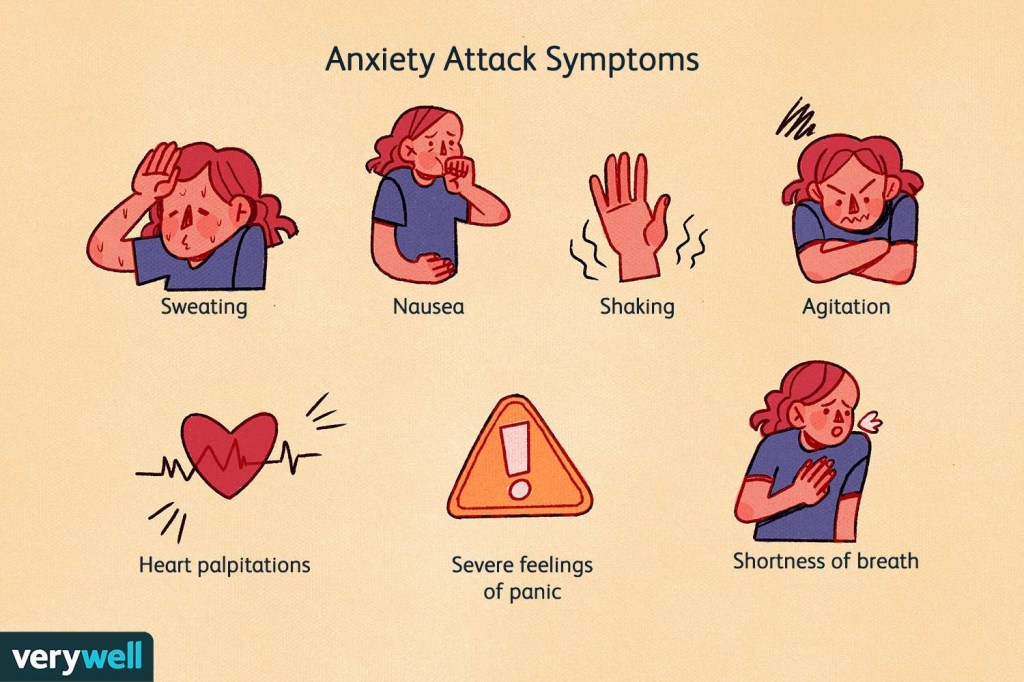
7. I hide the emotional aspect of fibromyalgia, I used to be embarrassed about the mental toll fibromyalgia has had on me. Chronic illnesses can create anxiety, depression and panic attacks to form. I bet when you talk to me you would never know I actually have an extreme anxiety disorder. It is being managed, but circumstances and pain levels can trigger an anxiety attack to take place.

Advertisements

8. I usually give a short answer when Asked how Am I doing. It is too hard to actually explain how I am doing. I often say I am doing okay when I am not to avoid being told, ” I hope you feel better soon!” I have a chronic pain condition with no cure. Chronic means it will most likely not go away.

Advertisements

9. I tend to hide my pain behind humor. I may be in pain, but I still can joke. Might as well joke instead of cry.

Advertisements

10. When you see me you may think I dress the way I do to be comfortable. The truth is the baggy sweaters and sweat pants hide my bloated stomach. Many people with fibromyalgia also suffer from stomach issues. I am one of those “lucky” people.

11. People often ask why I don’t feel well. If I know they won’t be able to fully understand what fibromyalgia is I often say I must have a flu bug or a migraine. It is just easier then having to explain to people what fibromyalgia is and how it affects me.

Advertisements

12. I often forget what I am saying and lose my train of thought. It is part of fibro fog, but I often joke it must be “old age ” setting in, instead of explaining why my cognitive functioning is affected by fibromyalgia.

Can watching horror movies lower Chronic pain levels? Do movies help improve mental health?

I came across a few article that claims watching horror movies may help reduce chronic pain. I never thought watching a scary movie could actually benefit my pain levels. I have never heard of this theory before. However, the information presented in both articles does make sense to why it may reduce chronic pain

Advertisements

According to both articles I read on pain and horror movies, both writers explained that according to experts and research our brain is not capable of producing pain and fear at the same time. Our brain may flicker back and forth between pain and fear while watching a horror movie. I tried to look up this theory, but I was not successful in finding any information to back this up. However, the article did mention Professor Lorimer Moseley’s name. Moseley is a professor of clinical neurosciences and an expert in pain from the University of South Australia. He has published over 300 papers and 6 books. You can also find many of his videos on Youtube. It appears Moseley has a podcast – the information could have been shared in one of his podcast presentations.

Advertisements

When we watch horror movies, our body enables our fight or flight system. It is believed that in fibromyalgia our system is stuck in the fight mode. When our fight or flight system is triggered properly, our body releases more endorphins, adrenaline and dopamine. The boost of adrenaline causes your heart to race and pump more blood to your muscles. In a previous blog I posted I shared that Dr. Liptan stated that in fibromyalgia there is lack of blood flow to the muscles of people with fibromyalgia. Would the increased blood flow, lower pain levels? Endorphins help relieve pain, reduce stress and improve over all well being. If we experience an increase in endorphins while watching a horror movie, could this be why people with chronic pain feel lower levels?! As for the increased dopamine levels, it can possibly help lower chronic pain. According to evidence, a disruption to normal dopamine levels plays a role in fibromyalgia.

Advertisements
Advertisements

Does watching a horror movie really lower pain levels? Or does it just make us watch intensively and we are distracted from the pain at the time!? I don’t have the answer, but it would be easy to trial this theory! Turn on some horror films and test it out yourself! Movies in general help us escape from reality for a short period of time.

Advertisements

Watching movies can also benefit our mental health.

1. Relaxation. Ever had a movie night in on a Saturday evening? I have. Often times when I need down time, I will turn on a movie. We all need to sit back and relax every so often.

2. Movies can be a mood booster. Everyone likes different types of movies, but a good comedy movie that can make you laugh the entire movie boosts my mood. How about you!?

Advertisements

3. Reduces stress. Back to the comedy movie – laughter helps reduce levels of hormones in the body responsible for stress.

Did you know there is actually movie therapy ( cinema therapy) !? It is usually directed by a therapist for therapeutic purposes. Read more about it here.

Advertisements

Lets talk about algophobia – fear of pain!

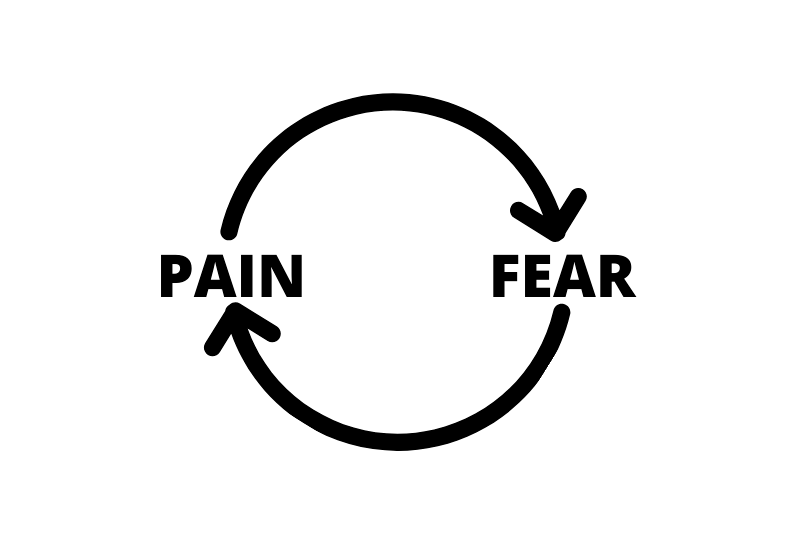
While I was was looking up something on chronic pain the other day I came across algophobia – which is fear of having pain. Most of us with chronic pain tend to suffer from algophobia. I don’t know about you, but I developed extreme anxiety about my pain levels possibly rising. The pain levels we experience in fibromyalgia are extremely high and unbearable that I worry or protect myself from possibly exposing myself to actions that may cause increased pain levels to arise. People with algophobia often have intense feelings of worry, panic or even have depression result. The truth of the matter – the anxiety algophobia creates can leave a person more sensitive to pain!

Advertisements
Advertisements

Back in the fall of 2020 I decided to attend a pain clinic. This pain clinic is where my algophobia began. I attempted their recommended stretches – which soon led to increased pain levels and being unable to move out of bed. They discharged me from the program stating it was unsuccessful. In the mean time it left me being scared to do anything. I was even scared to go to the store or go for a small walk for increased pain levels would result. I eventually got to know my limits and when to stop before my pain levels would increase. I found my own rhythm without help. This last fall 2022 , I attended more programming through another clinic which suggested an exercise program once again. It created unease very quickly and I began to have major anxiety episodes. I had anxiety and worry even before the assessment with the kinisiologist. Upon filling out papers for the psychologist i soon realized I was showing as having an anxiety disorder. After reading about algophobia, I’m sure this is what I was experiencing at the time. I soon began having higher pain levels which I attribute to the thought of a kinesiologist incorporating an exercise program in knowing how my body reacted at the last pain clinic.

Advertisements
Advertisements

If you live with chronic pain, most of us will avoid situations or actions that can possibly increase our pain. We protect ourselves. Its human nature to protect ourselves. However, when it comes down to algophobia experts state that exaggerating the threat of pain can actually make the pain worse. It is known that the chemicals in your brain that regulate anxiety and fear also regulate how you perceive pain. The imbalances of these chemicals can trigger both problems.

Advertisements

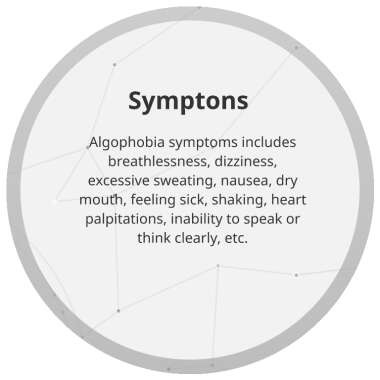
Symptoms of Algophobia

  • Fear-avoidance. You may find yourself avoiding activities and exercise that you believe may cause you pain. Who wouldn’t avoid taking part in something that causes pain?
Advertisements
  • Catastrophizing. Envisioning every situation before hand to predict whether it will produce pain. You look for the worst possible outcome in every situation. In our case pain levels.
  • Hypervigilance. You may focus on pain levels in every situation.
  • Experience symptoms of anxiety attacks.
Advertisements

How to overcome Algophobia

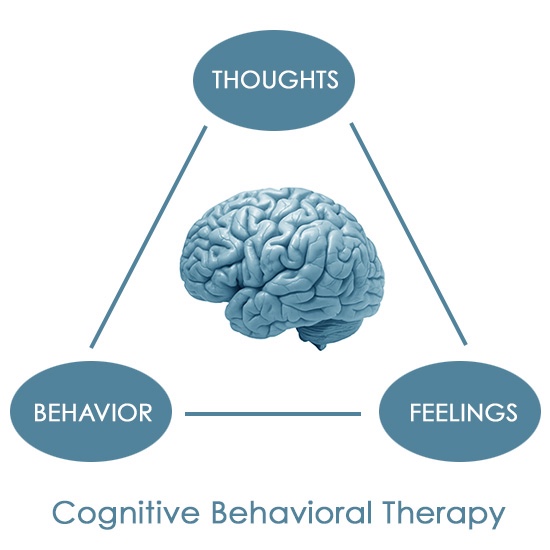
1. Cognitive behavioral Therapy. A psychologist can help you overcome your fear of pain. Your therapist will help you change the way you think about pain. I won’t mention any cognitive behavioral strategies here as there are many different approaches and each therapist will take a different route in treatment.

Advertisements

2. Exposure therapy. Slowly exposing yourself to situations and avoided movements that you were afraid would cause higher pain levels to arise may be used. For example instead of doing full leg stretches, maybe start off by laying in bed doing a few ankle rolls instead.

Advertisements

3. Exercise or physical movement. Chronic pain sufferers often avoid movement due to increased pain. Experts say that gradually increasing exercise or movement can increase chemicals in your brain that manage pain more efficiently. I have yet been successful in trying this. I do increase my movement, but it often always results in high pain levels overtime, no decreased levels. I often wonder if my chronic fatigue plays a role in this. As the fatigue sets in, my pain levels increase. I guess everyone is different.

Advertisements

Most people can learn to manage their fear of pain with the right combination of treatments. For myself, I still struggle and continue to over come Algophobia. I hope one day I can live without the fear of increased pain levels.