Fibromyalgia: Doctor-patient relationship. How does empathy make a difference?

I have been reading the book, ” The Invisible Kingdom”, written by Meghan O’Rourke. The chapter on doctor-patient relationship really resonated with me. I grew up in a smaller town, were your family doctor had the time to spend an adequate amount of time with you during appointments. It wasn’t out of the ordinary to ask how life was going and have a short personal conversation about family. Today, with such a shortage of doctors (in many areas of the world), finding a family doctor is near impossible. We are left attending walk in clinics, where you end up seeing a different doctor every time. Doctors and patients are not even given enough time in appointments to discuss medical concerns. We are often told to limit our visit to one or two health issues to discuss and only have maybe ten minutes in which to do this.

Advertisements

People living with chronic conditions, have a difficult time discussing one topic in an appointment yet alone two health issues. Having such limited one on one time together, I feel that the doctor- patient relationship is slowly beginning to fade away and has become a thing of the past. In “The Invisible Kingdom” the writer explains that doctors don’t seem to display much empathy towards patients anymore. I believe many of us suffering with fibromyalgia have been in many situations where empathy has failed to be shown. However, research states that doctors should take the time to empathize with each patient. Showing empathy often results better.

Advertisements

Have you ever watched the movie “Patch Adams” with Robin Williams?! It is actually based on a true story. If you have never watched it, I recommend it! “Patch” admits himself into a mental institution for suicidal thoughts at the beginning of the movie. After witnessing how doctors treat the other patients and himself while in their care, he quickly discharges himself from their care and sets out on a mission attending medical school. He graduated becoming a doctor. His goal was to help other people – taking into consideration the PERSON not just the illness. He wanted to connect with each and every patient he encountered. Patch was set out to bring joy to all patients – no matter how grim of a diagnosis they had just been given. He gained patients trust and made a huge difference in many peoples lives.

Advertisements

Empathy and compassion in a doctor-patient relationship can make a huge difference. Both qualities are said to be highly effective and powerful. Empathy requires health care providers to put themselves in the patient’s shoes. If the physician takes the time to pay attention to a patient’s emotions a caring treatment plan can be created. A well thought out ,treatment plan will have positive results instead of negative.

Advertisements

In one study, 2898 patients took part who suffered from moderate to severe chronic pain. The same doctor visited each patient at baseline, 1, and three months – having each patient fill out questionnaires. At the end of the study it was reported that chronic pain significantly decreased. It is said that by showing empathy patients are more likely to adhere to treatments and more improvements are seen. This study did not state if people with fibromyalgia were part of the study, but regardless it revealed how powerful empathy can be. You can read the results of this study here.

Advertisements

Empathy not only allows the doctor and patient to connect on a better level, it also is proven to lower a patient’s anxiety levels. In fibromyalgia, stress and anxiety are one culprit of raised pain levels and other symptoms. I’ll use the pain clinic I attended for an example. The clinic began to have a very negative effect on my health. I was beginning to have anxiety attacks the day prior to my appointments – which then led to a full blown fibromyalgia flare up the following morning. I never saw eye to eye with a few of the pain clinic staffing who were directly involved in my care. When I stated I felt my fibromyalgia may have been triggered by a knee injury I got the spring prior, I was told an injury was not a possible cause of fibromyalgia. An injury is considered trauma – trauma is a possible cause of fibromyalgia is it not? As the months went on staff began belittling me and told me I was making their job too difficult. I complied with treatment, but when I expressed my frustration to the mental health counsellor that all strategies were only increasing my pain – I got told I was being too negative and that mental health would not continue to see me. I always thought psychologists and counsellors were there to help a person through the tough times and help change the negative to more positive thinking. “Making their job too difficult “- in my eyes this meant they didn’t know what else to do to help me – so they put the blame on me. It is easier to blame the patient then admit the program failed to help me. I often wonder if empathy was used, if I would have had a better outcome? I soon realized I was just a number to push through their pain clinic program so it would free up a spot for their long wait list. They eventually discharged me without even speaking to me first.

Advertisements
Advertisements

Here is a video I found that brings a powerful meaning on empathy. It has been viewed 6.9 million times.

Fibromyalgia and Pain Journals – What should I document?

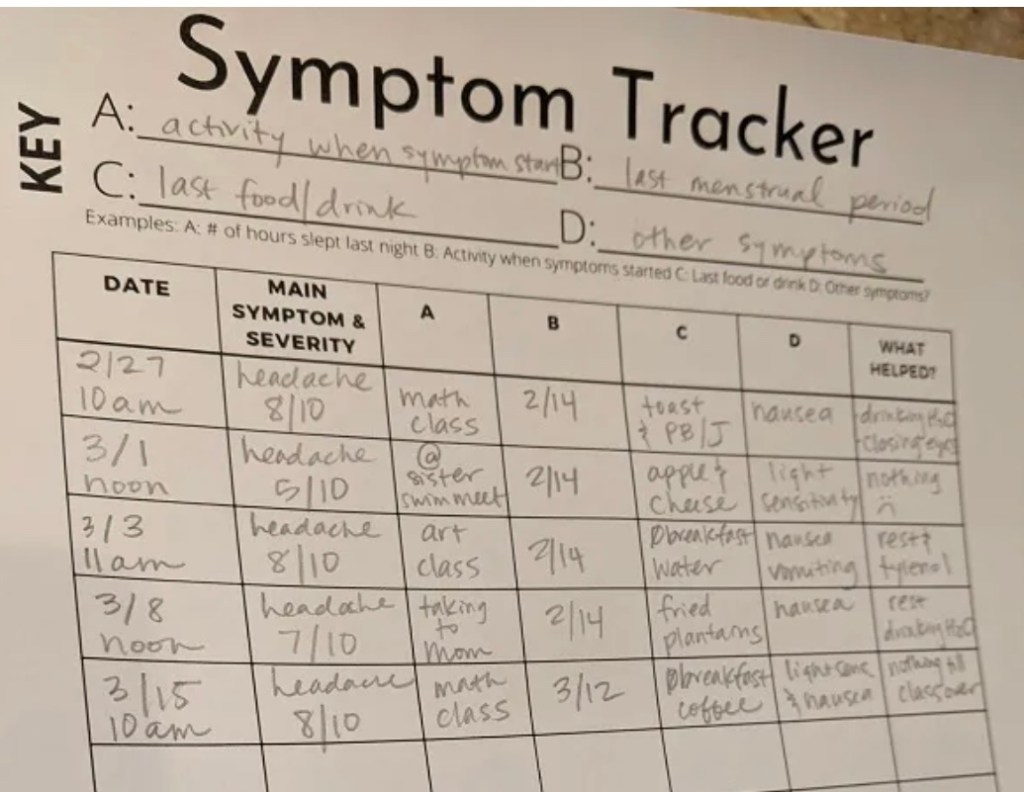
When dealing with any chronic illness a pain journal can be very helpful. Most health care providers will recommend to keep this type of journal. Even if you are years into your battle, it is never too late to begin this documentation. If you do not know what a pain journal is – this is where you can write down and keep track of what kind of pain you have, pain levels you are experiencing, what you were doing at the onset of the pain and more.

Advertisements

There can be many benefits to using a pain journal. Over time, the pain journal will allow people to monitor fluctuation in their daily pain levels. It also can be used when communicating with the various doctors and other health care providers you may have appointments with. A person also becomes aware of what increases and decreases pain levels in order to manage daily pain levels. It can also help document over all progress in your fibromyalgia journey.

Advertisements

I started my pain journal by writing down all medications I take and the dosage, any side effects I experience from my medications ( such as higher fatigue levels). I also took note of what makes the pain worse or better. I always keep a running medication list (updated ) on hand to take to all my appointments. We are often asked what medications we are taking at every new appointment we attend with the various doctors appointments we attend ( there are many appointments.).

Advertisements

Most pain journals will have you document the following information:

1. How you slept the night before. Did you continuously wake up? How many hours of sleep did you get? Woken up by pain? Pain levels through the night? you can document whatever you feel relevant.

Advertisements

2. Daily symptoms. What symptoms did you experience through the day? pain levels? What made the pain worse or better? Medications needed to relieve

Advertisements

3. Mood symptoms. How did you feel when you woke up? Stressed? Anxiety? Depressed?

Advertisements

4. You can also document activities you do during the day – laundry, cleaning, working, etc. Document how long you were able to work at the task? Did you have to stop due to pain? Outcome? More pain? Delayed pain?

Advertisements

5. Keep track over pain levels and what type of pain you are feeling and location. Is your pain 0-10? Where is the pain located ( okay we all know explaining where the pain is , is difficult) , Is the pain throbbing? Stabbing? tingling? Deep down? Dull? Etc.

Advertisements

6. Track your fatigue levels. What makes fatigue worse, a little better? What time do you run out of energy? Does resting help? Make it worse? Worse in the morning? Afternoon? Evening? Fatigue level 0-10.

Advertisements

7. Food sensitivities or triggers of pain. Some people keep a food diary also to help determine if certain foods cause increased pain levels or other symptoms to become worse.

Advertisements

The journal can be as complex as you want to create it or just simple. It all depends on what you decide is relevant information to be documented. The above are just examples of possible topics to include in your journal.

For myself I stopped writing a pain diary for several reasons.

1. I felt like documenting my daily symptoms, pain levels, etc became too time consuming and I was focusing all my attention to my pain levels. Focusing solemnly on symptoms all day long can become unhealthy. We need to be aware of symptoms/ pain levels, but not 100% absorbed in this process. I found the pain journal was consuming me.

Advertisements

2. The pain journal also felt like a slap in the face. Every time I looked back at the log, it reminded me how much I couldn’t do anymore. I tried so hard to build up my stamina over time and it seemed like no matter what I tried it failed. The journal was a constant reminder of failed strategies. Fibromyalgia took a lot away from me and looking back in the journal was a constant reminder of loss, instead of focusing on what I could do. Sometimes looking at what we can’t do all the time takes a toll on our mental health. I decided I needed to focus on what I could do rather then what I couldn’t ( for my sanity)

Advertisements

3. After living with fibromyalgia for several years, I began to know my triggers inside out. I already know what makes my fibromyalgia symptoms worse and better. The one thing living with a chronic illness, you begin to read your body and needs like a pro! When I hit a certain pain or fatigue level it is time to stop and rest. No one else can determine this “imaginary” stop sign better then we can.

Advertisements

4. I actually found not one doctor, specialist or health care provider wanted to see my pain journal. Most appointments are limited to 10-15 minutes that doctors simply do not have time to discuss in detail a pain journal. If only we lived in a perfect world where doctors could actually spend the time with their patients to understand their needs better.

Fibromyalgia and Irritable Bowel Syndrome (IBS) have more in common then you think! Both conditions often co-exist!

A subject that is rarely discussed in fibromyalgia is irritable bowel syndrome (IBS). IBS and fibromyalgia are two separate conditions, but seem to have a connection between the two. According to the UNC Centre for functional GI and Motility disorders, 70% of patients with a diagnosis of fibromyalgia also have symptoms of irritable bowel syndrome. Fibromyalgia also occurs in 60% of patients with irritable bowel syndrome. For reference of these stats visit here.

Advertisements

When we think of irritable bowel syndrome, most of us probably think about a condition that affects the stomach and intestines (gastrointestinal tract). When a person has IBS the nerves in the “gut” are extremely sensitive and the brain processes these signals from your gut differently then it would if you did not have IBS. For example a small gas pain can trigger IBS symptoms. Just like in fibromyalgia, IBS causes the brain to process the pain differently and responds to stress. In the case of fibromyalgia, our brain misinterprets pain signals and sends out widespread pain, while in irritable bowel syndrome the body responds by causing gastrointestinal tract issues. Both fibromyalgia and IBS serotonin levels are usually low.

Advertisements

What are the symptoms of irritable bowel syndrome?

Advertisements

Fibromyalgia and IBS are both stress sensitive conditions. This means any stressors (even the small ones) can cause both conditions to “flare up”. However, in IBS experts state that stress is NOT the direct cause, but triggers IBS symptoms. In fibromyalgia, we are told stress can be a root cause. With both conditions flaring up, our body reacts to physical symptoms and emotional symptoms creating anxiety to increase. The increased anxiety adds to the stress our body endures making our pain and symptoms even worse. It becomes a vicious circle.

Advertisements

Ever hear of Central sensitization? If not here is a quick explanation. Your central nervous system ( brain and spinal cord) become extremely sensitive to pain. The sensitivity makes you feel more pain than what you would normally feel, resulting in pain signals in your body increasing. People with fibromyalgia and IBS both exhibit lower pain thresholds. This shared pain sensitivity predicts that both conditions share a common cause, which may explain why both conditions are often seen go coexist.

Advertisements

If you have both conditions, treatment options may overlap as well.

1. Anti depressants may be used in both fibromyalgia and IBS. Many doctors recommend amitriptyline for both conditions. For example, Amitriptyline will increase serotonin levels. In fibromyalgia, it is said to help reduce pain. In IBS amitriptyline blocks pain messages between the gut and the brain limiting hypersensitivity. I assume the same process takes place in fibromyalgia – blocking pain messeges from being sent throughout the body. ( there are more anti depressents used, I just chose one as an example). For more information about IBS and anti depressant use please visit here.

Advertisements

2. Experts also recommend regular exercise. Exercise can help manage IBS symptoms. Low intensity exercise is recommended for both conditions. These exercises include walking, yoga, and swimming. Exercise will not cure IBS, but can help reduce stress therefore limiting IBS symptoms. The same goes for fibromyalgia. Lower stress levels, means lower pain levels. ( not in all cases).

Advertisements

3. A balanced diet is recommended for both conditions. Eating a balanced diet can help alleviate symptoms. Foods that are rich in probiotics may help reduce IBS symptoms. A person can also take a probiotic supplement to be sure to get probiotics. I take a daily supplement, however you can find foods with probiotics such as yogurt and fermented food items.

Advertisements

4. Cognitive behavioral therapy (CBT) is another route being used for fibromyalgia and IBS. If working along side a psychologist , I recommend trying to find one who you are able to connect with and understands chronic pain. It makes a huge difference. CBT for IBS has shown significant effects on symptoms and quality of life. For more information on CBT and IBS visit here.

Advertisements

There are many treatment routes for IBS. My blog only touches on a few of these routes. The routes of treatment will also depend on the severity of irritable bowel syndrome. An individualized treatment plan is important in both fibromyalgia and IBS. Trial and error techniques are often used to determine which treatment routes are best. Everyone’s body is unique and reacts to medications and treatment routes differently.

For more information on IBS visit here.

Fibromyalgia and increased bruising or unexplained bruising. Possible causes.

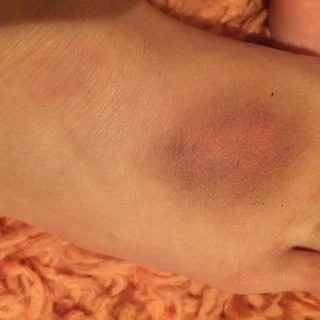
Many symptoms of fibromyalgia remain unexplained and confusing to those of us who have to live day to day with fibromyalgia. One of the mysterious symptoms is increased unexplained bruises. How many times have you found yourself thinking “How did I get that bruise on my arm?” Only to look down at your legs to notice two or three more bruises.

Advertisements

I have never really found in depth information on why people with fibromyalgia bruise easier and more frequently. We are often told it is just part of fibromyalgia. Fibromyalgia often creates skin issues – increased bruising is included in that category. In one article, I read 50% of fibromyalgia patients reported having skin issues, while another article reported 80% of patients reported skin issues. Either way the percentage is fairly high for skin issues.

Advertisements

Here are a few POSSIBLE causes of increased/unexplained bruising. I am not stating this could be the SOLID explanation for bruising in fibromyalgia.

Has anyone ever stopped to think about medications as the possible culprit? Some medications can possibly have a side effect of increased bleeding and bruising easier. From my research NSAID medications such as ibuprofen, Naproxen( Aleve), aspirin , diclofenac etc. can all cause you to bruise easier. People with fibromyalgia often take many of the above painkillers looking for some relief of chronic pain. SSRI anti depressants can also cause easier bruising. Fibromyalgia pain is often treated with anti depressants. Both NSAID and SSRI medications block/limit certain blood platelets from working resulting in easier bleeding and bruising. Keep in mind a bruise forms when blood vessels under the skin break ( this is what I mean by easier bleeding in this case). A small bump on a chair could easily cause a blood vessel to break, even if you barely hit yourself. There may be other medications that cause easy bruising to form.

Advertisements
Advertisements

If certain vitamin levels are low or a deficiency exists a person may also notice more bruises. Fibromyalgia is known to cause many nutrient deficiencies to exist. I have not done a lot of research on lack of nutrients, but here are a few that can cause easier bruising if a deficiency exists. You MAY bruise more if your iron is low, vitamin d, calcium, vitamin K and B12. I am sure there are more to add to this list. For example low iron can cause unhealthy blood cells, which results in your body not getting the required oxygen that it needs to function. This can possibly leave your skin more susceptible to bruising. Vitamin K is essential in blood clotting and also helps strengthen capillaries . Lower vitamin K can cause the capillaries to weaken and break under the skin leaving behind a bruise.

Advertisements
Advertisements

Fibromyalgia can leave a person very clumsy. Clumsiness can be caused by lack of mobility due to pain, sleep deprivation, etc. I know I am clumsier since my fibromyalgia diagnosis then in the past. I find myself always running into things – the corner of the counter, a chair or even the bed-frame! I think fibro fog (brain fog) can possibly contribute to unexplained bruises. For myself I may have done something to cause a bruise to form and simply do not remember – but my family members remember the cause of some of my bruises as they witnessed it happen. For example my vehicle door swung back on my leg as I was reaching in to get an item out of the back seat due to wind. I later discover I had several bruises on my leg from the incident, but don’t remember the door swinging back on my leg. Fibro fog causes us to become forgetful at times. Could this be the cause of some of the unexplained bruising? Just food for thought!

A Mindfulness technique – Active Listening Music Strategy

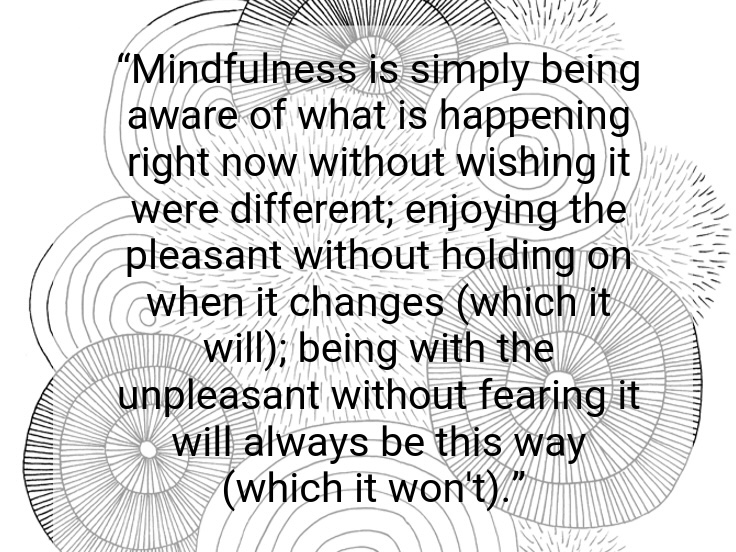
For people with fibromyalgia, we are often recommended to take part in mindfulness exercises. Mindfulness is the ability to be fully present. For many of us, our mind wanders while we are doing things and it is like we are on auto pilot. Endless thoughts invade our mind all day long. When we remain mindful, our mind is fully attending the task/activity at hand – we are present of our surroundings and what we are doing. However, being mindful takes practice and is not an easy strategy.

Advertisements

For myself, I often found being mindful extremely difficult and I would give up soon after beginning the process. I was given several strategies from various health care providers I had been working along side to help lower fibromyalgia symptoms. In this blog I will speak about one strategy , as there are too many strategies to cover in one blog post.


For you music lovers out there, you can incorporate a mindfulness activity in while you are listening to music. Many of us turn music on for background noise, but this mindful strategy requires you to actively listen to the music. If you have problems with traditional meditation ( like I do), mindful music listening can act as a great substitution for a meditation session. Five minutes a day listening to music can be just as effective as meditation if you really focus on the music.

Advertisements

Be sure you pick music to actively listen to that you enjoy. It makes active listening easier if you use a song you like. You can expand later on and experiment by using other songs for this activity. Experts state that many people tend to listen to music that reflects their current mood. I wonder if this is why we may choose to listen to different genres from day to day?!

Advertisements

During a session, I was asked what song I would use for this exercise. At the time I was feeling very defeated and frustrated from seeing no improvements with my fibromyalgia. I felt I was at rock bottom. Of course I couldn’t think of a song title on the spot so I picked the last song that was on the radio driving to my appointment. The song was “Fight Song” by Rachel Platten. Obviously, I had heard this song probably 100 times on the radio and never really paid attention to the lyrics. I went home and tried to actively listen to this song. Did I ever pick the right song. The lyrics seemed to fit my current situation- feeling defeated, judged by people/ previously involved health care providers and failing to get a handle of my symptoms. The song lead me to the following lyrics….

Advertisements

Here are the steps to active listening that I was given.

1. Pick a song. You can pick a song you have heard or a song you have never listened to before. You can use music with lyrics or instrumental. The choice is yours. I was guided to pick a songs that I would normally listen to.

Advertisements

2. Take a moment to ground yourself and breathe. Take a few deep breaths in and out. Take note how your body feels as you do this. Notice how you are positioned – sitting, standing, laying down, walking etc. Assess anything your body is physically touching. Do you have any tension or tightness in your body?

Advertisements

3. Listen, and only listen! Shut out any external sounds by using headphones. Allow yourself to hear only the music. I often close my eyes or put my sleep mask on so I am not tempted to look around and lose the music.

Advertisements

4. Notice the small details. What instruments can you hear in the music? Does the tempo of the song change? Does the volume change? Do the lyrics reflect anything? Do any visual images arise while listening to the music? How does the music make you feel? Does the song make memories arise? Notice how your body feels.

Advertisements

5. Reflect. Does anything feel different? Any shift in your mood? Calmer? More tense? If you found your song choice was not the best, what other songs could you try next time?

Advertisements

This is just one example of a mindfulness activity. There are many others. I will write about several other techniques in later posts that have helped me with taking part in everyday mindfulness. Active music listening can help lower stress and anxiety levels. Practicing mindfulness can put you in touch with the moment and help lower your worries. Lower overall stress levels, means lower chronic pain felt in fibromyalgia. This strategy is easy to adjust as well. You can use the same song over and over if you find a particular song easier to be mindful to, or you can explore with new genres and artists. Since I have such a difficult time even “getting into the zone” to meditate, I often use this strategy since I am a music lover! Happy listening!

Fibromyalgia – Worst advice received by someone who doesn’t understand chronic pain

During a discussion on Fibrofighter’s facebook page and private group, I had asked “What’s the worst piece of advice you’ve ever received from someone who doesn’t understand chronic pain?” Here are the top five answers from people around the world who live with fibromyalgia!!

Advertisements

1. “You just need to exercise more”

Probably 100% of fibromyalgia patients have been told this exact sentence by their doctor or any other health care provider. I believe exercise is important whether you have fibromyalgia or not. However, have health care providers ever stopped and asked you once how physically active you were before fibromyalgia? I never have! I used to always be on the go. I used to be able to walk for hours on end, bike ride outside during summer and ice skate in the winter. When a person was very active before their fibromyalgia diagnosis and loses the ability to take part in any of these physical activities -“just add exercise” is not the answer we want to hear.

Advertisements

Second of all, no one ever stopped to tell me exercising with fibromyalgia looks completely different then what we perceive as exercise when healthy. “Just add exercise” is a very vague statement. Exercising with fibromyalgia needs to be less strenuous and more gentle. We need to be taught HOW to exercise with chronic pain conditions. I am so sick and tired of this sentence from health care providers and/or friends. Yoga is often recommended as an exercise for fibromyalgia, but did you know there are many different types of yoga? I didn’t. Which yoga is better for fibromyalgia? We are never informed. “Try yoga, it help you!” I recently found out there is chair yoga – which looks to be more suitable for my physical capabilities.

Advertisements

2. “You just need to lose weight!”

Ummm… hello!!! Fibromyalgia affects people of all weight and sizes. Fibromyalgia does not pick and choose who to affect by weight! Anyone of any size can be diagnosed with fibromyalgia. Do people understand this? Obviously, we understand that being overweight is not the healthiest. Yes, we all know it is important to eat healthy. However, many of us with chronic pain – we gain weight for several reasons. We have a difficult time moving around due to increased pain / fatigue and other symptoms. Obviously we move around less because moving simply feels like our muscles, tendons, legiments, or our bones feel like they are being ripped out of our body. Less movement means weight gain for many of us. It is not because we want to gain this weight! Secondly, many medications used to help lower fibromyalgia pain, one of the side effects is weight gain! This weight gain shows up and is hard to lose it without discontinuing the medication. Bone pain or some extra weight. I think I would rather live with the weight gain then the debilitating pain fibromyalgia causes.

Advertisements

3. It is all in your head – it must be your mental health.”

Fibromyalgia is not a mental disorder. It is not a fake or imaginary condition. I personally believe depression can possibly cause fibromyalgia due to a high stress response. Depression can cause the body to have a high stress load. Stress can be a trigger for fibromyalgia to develop. Just food for thought ( my personal opinion). When I hear people tell me it is all in my head – I always state “It is in my head! My brain amplifies pain signals and reads them wrong.” Fibromyalgia is actually considered a neurological condition, not a mental health condition. A recent study, reported finding an autoimmune response which could make fibromyalgia a rheumatoid condition in the future. We are not mentally crazy. There is scientific evidence fibromyalgia exists and is very debilitating. Anyone who solemnly blames fibromyalgia on mental illnesses is not informed and educated on current findings.

Advertisements

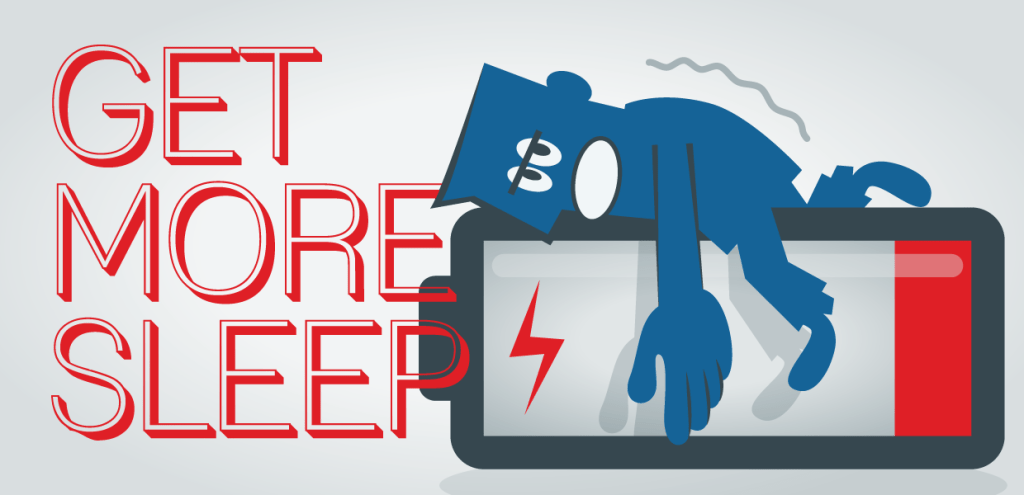
4. “You will feel better if you get more sleep!”

What is sleep?! Most of us with fibromyalgia struggle with sleep disruptions or insomnia. If sleep was the answer we would have an easy cure. Sleeping when you have chronic pain is near impossible when the pain wakes you up every hour all night long. ” Get more sleep!” How do we get more sleep when scientific studies report that people with fibromyalgia do not remain in deep sleep long enough to benefit the body?! Even when I manage to get a solid 5-8 hours of sleep, I wake up looking like a zombie and feel like I have not even gotten an hour of sleep. Adequate sleep is recommended for everyone, but when you factor in chronic pain it just doesn’t fix the problem. No amount of sleep is going to fix a person with fibromyalgia. We might replenish a small amount of energy to get through the next day.

Advertisements

5. “You just have to push through the pain”

This comments boils my blood. Pushing through pain from a sprained ankle is one thing, but pushing through chronic pain is nearly impossible. When we push through the pain we feel with fibromyalgia, it often results in amplified chronic pain or a full blown fibromyalgia flare up! What is the purpose of pushing through the pain to only end up bed ridden? In my opinion it is not worth pushing through the pain. Pushing through results in uncontrolled symptoms. Read more on my previous blog about pushing through here.