When dealing with any chronic illness a pain journal can be very helpful. Most health care providers will recommend to keep this type of journal. Even if you are years into your battle, it is never too late to begin this documentation. If you do not know what a pain journal is – this is where you can write down and keep track of what kind of pain you have, pain levels you are experiencing, what you were doing at the onset of the pain and more.
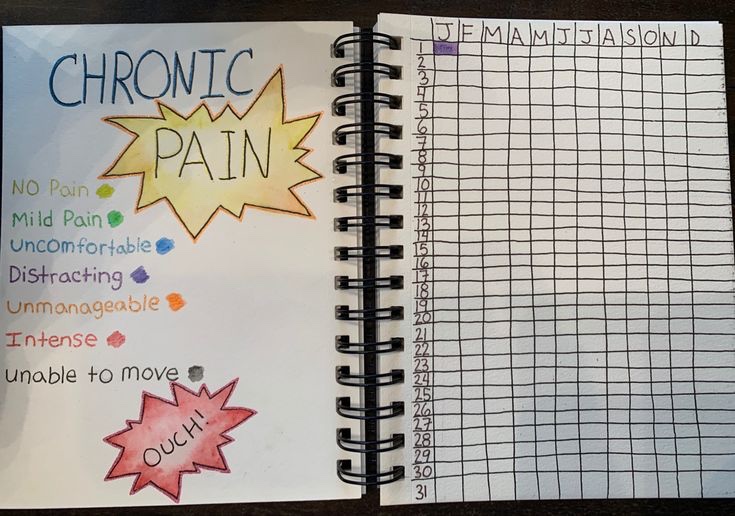
There can be many benefits to using a pain journal. Over time, the pain journal will allow people to monitor fluctuation in their daily pain levels. It also can be used when communicating with the various doctors and other health care providers you may have appointments with. A person also becomes aware of what increases and decreases pain levels in order to manage daily pain levels. It can also help document over all progress in your fibromyalgia journey.

I started my pain journal by writing down all medications I take and the dosage, any side effects I experience from my medications ( such as higher fatigue levels). I also took note of what makes the pain worse or better. I always keep a running medication list (updated ) on hand to take to all my appointments. We are often asked what medications we are taking at every new appointment we attend with the various doctors appointments we attend ( there are many appointments.).
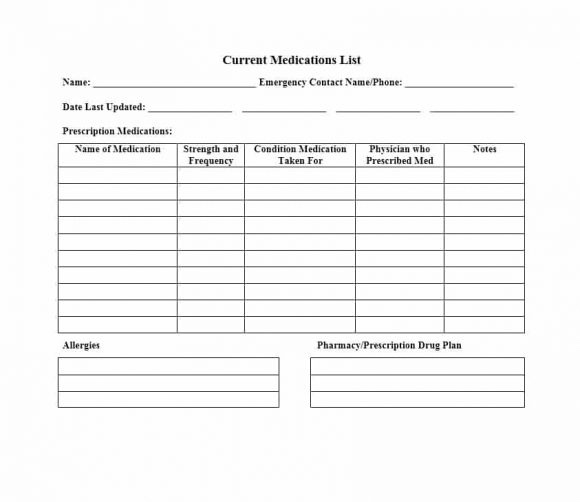
Most pain journals will have you document the following information:
1. How you slept the night before. Did you continuously wake up? How many hours of sleep did you get? Woken up by pain? Pain levels through the night? you can document whatever you feel relevant.

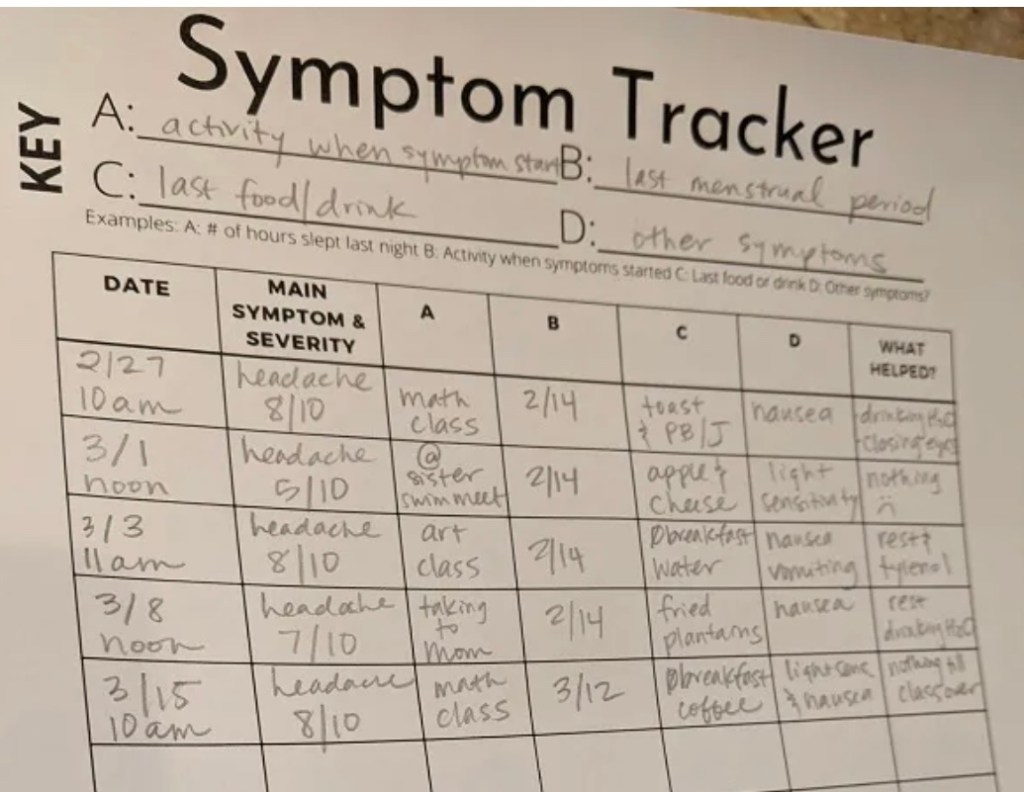
2. Daily symptoms. What symptoms did you experience through the day? pain levels? What made the pain worse or better? Medications needed to relieve
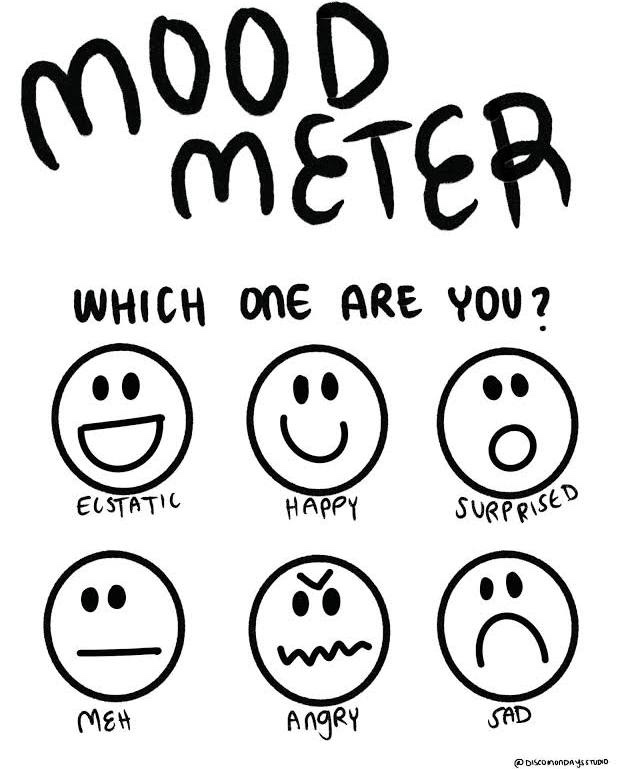
3. Mood symptoms. How did you feel when you woke up? Stressed? Anxiety? Depressed?
4. You can also document activities you do during the day – laundry, cleaning, working, etc. Document how long you were able to work at the task? Did you have to stop due to pain? Outcome? More pain? Delayed pain?

5. Keep track over pain levels and what type of pain you are feeling and location. Is your pain 0-10? Where is the pain located ( okay we all know explaining where the pain is , is difficult) , Is the pain throbbing? Stabbing? tingling? Deep down? Dull? Etc.

6. Track your fatigue levels. What makes fatigue worse, a little better? What time do you run out of energy? Does resting help? Make it worse? Worse in the morning? Afternoon? Evening? Fatigue level 0-10.

7. Food sensitivities or triggers of pain. Some people keep a food diary also to help determine if certain foods cause increased pain levels or other symptoms to become worse.

The journal can be as complex as you want to create it or just simple. It all depends on what you decide is relevant information to be documented. The above are just examples of possible topics to include in your journal.
For myself I stopped writing a pain diary for several reasons.
1. I felt like documenting my daily symptoms, pain levels, etc became too time consuming and I was focusing all my attention to my pain levels. Focusing solemnly on symptoms all day long can become unhealthy. We need to be aware of symptoms/ pain levels, but not 100% absorbed in this process. I found the pain journal was consuming me.
2. The pain journal also felt like a slap in the face. Every time I looked back at the log, it reminded me how much I couldn’t do anymore. I tried so hard to build up my stamina over time and it seemed like no matter what I tried it failed. The journal was a constant reminder of failed strategies. Fibromyalgia took a lot away from me and looking back in the journal was a constant reminder of loss, instead of focusing on what I could do. Sometimes looking at what we can’t do all the time takes a toll on our mental health. I decided I needed to focus on what I could do rather then what I couldn’t ( for my sanity)

3. After living with fibromyalgia for several years, I began to know my triggers inside out. I already know what makes my fibromyalgia symptoms worse and better. The one thing living with a chronic illness, you begin to read your body and needs like a pro! When I hit a certain pain or fatigue level it is time to stop and rest. No one else can determine this “imaginary” stop sign better then we can.
4. I actually found not one doctor, specialist or health care provider wanted to see my pain journal. Most appointments are limited to 10-15 minutes that doctors simply do not have time to discuss in detail a pain journal. If only we lived in a perfect world where doctors could actually spend the time with their patients to understand their needs better.
 FibroFighters