People who are diagnosed with fibromyalgia eventually find themselves asking the question,” Should I continue to work?” Debating whether it is appropriate to stop working due to fibromyalgia can be a very confusing time. Not everyone is able to stop working and they continue to push themselves through their shifts day by day. Here is a shout out to all of you who have managed to stay working ! Everyone will have to make the decision to continue to work or resign due to medical reasons. You must do what is right for you and your circumstances.

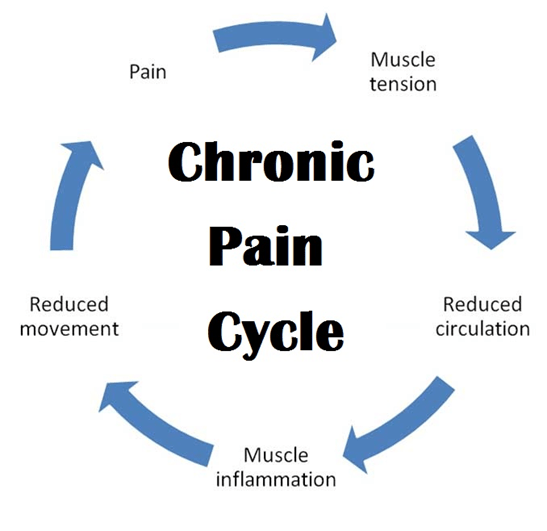
For myself, I tried to take a month off from work thinking I could quickly learn to manage fibromyalgia. I soon realized, it wasn’t as simple as it seemed. As the weeks went on, new symptoms arose and intensity levels changed. Just as I thought I had my symptoms under control, a new symptom would appear or the ugly cycle of chronic pain would begin over and I was back to square one.
According to “experts”, people with fibromyalgia should remain working. Researchers state that people with fibromyalgia who continue to work tend to feel less pain and fatigue. I totally disagree with this statement. I believe it depends on the severity of your fibromyalgia. Obviously if a person has mild symptoms it may be a bit easier to continue to work. Symptoms are easier to manage when they are mild. For myself, I was the complete opposite. My symptoms were mot considered mild but severe. I tried to continue working and it did not improve my fatigue levels or pain levels. It intensified both symptoms to the point I could not function. I pushed through for several weeks until I just couldn’t push anymore and found myself requesting time off of work from the doctor.
I made the hard decision to not return to work for several reasons. Maybe my reasons will help you make your own decision.
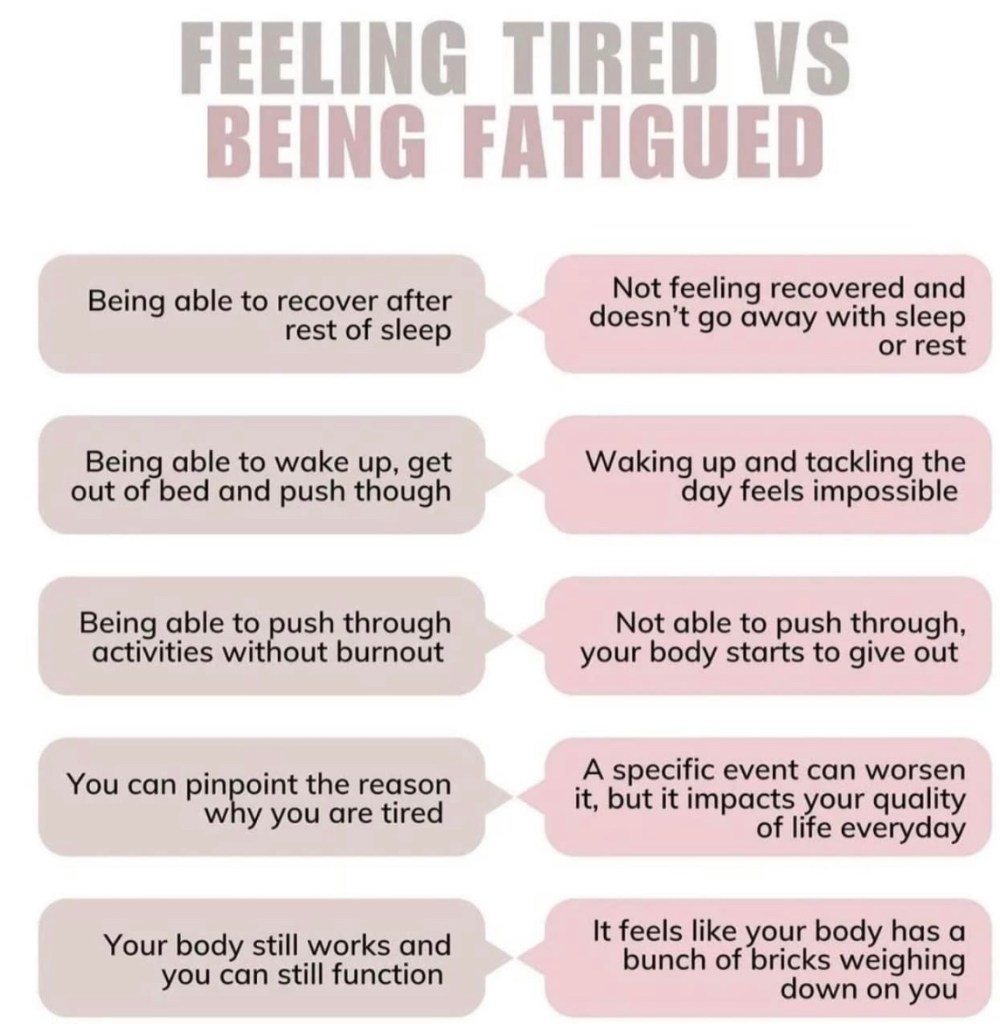
The fatigue began to set in severely. I found that by the time I got out of bed, ate breakfast packed lunch and drove to work ( fifteen minutes down a busy highway), I would pull into the school parking lot feeling like I “pulled an all nighter.” The fatigue got so intense that I caught myself falling asleep at work. Not the safest when you are in charge of a group of students or one on one with a student who needed high supervision due to safety concerns. The day I almost dozed off behind the wheel driving to work, was the day I knew I no longer could work.
The unpredictable widespread pain played a factor in remaining off of work. At first the pain was only in my fingers, elbows and knees. It quickly turned into widespread pain that jumped locations every five seconds. Who knew pain could strike every part of the body at once?! I found out what this felt like. Trying to work with chronic unpredictable pain makes it near impossible. Here is an example. Ever try to go to work with a migraine before? Imagine the throbbing/pulsating pain you felt with that migraine. Now imagine the pain three times worse. Yes, people with fibromyalgia often feel pain three times more then what people without fibromyalgia feel. I don’t know about you, but having such intense pain affected my overall ability to function. I began to feel emotionally exhausted as well as physically exhausted from the pain itself.

Brain fog began to clutter my thoughts. I started having problems understanding grade three school curriculum. This confused me as before I was working in a junior high school in grades seven to nine- which has more complex information to process! I was able to explain algebra to students in grade eight, but yet I could not explain a 3D shape to a small group in grade three. I found myself stumbling over reading simple sentences to students on a test, or explaining instructions backwards to worksheets. I was hired to help support students, not hinder their learning.

Some people with fibromyalgia can work with modifications to the work environment or find a job that is less demanding to allow them to continue to work. For myself, being an educational assistant in a school working with special needs students, I was not able to modify my work load or schedule. Obviously my schedule followed the students school schedule.

I never did try to return back to any job as the symptoms got worse as the years went by. At first I had improvement once I started on a medication to help manage the pain, but the fatigue set in deeper. My doctor explained to me that I had hit a plateau in my “recovery”. A new level of exhaustion was felt. I began having trouble mustering up enough energy to shower, felt like my shin muscles in my legs were being torn from my body walking up a few steps and I began to get daily sore throats and fevers. When the fever begins I feel like I have been hit by the worlds worst flu bug. I began battling my own body each day and unsure of what tomorrow would bring.

As the saying goes , “You can’t pour from an empty cup. Take care of yourself first!” In the end I decided that if I couldn’t take care of myself and my basic needs first, how was I going to support students in a classroom? It just doesn’t work that way. If you are finding yourself in the same position, I would encourage you to weight the pros and cons of leaving the workplace. All the best! Hope my reasoning may help you make the tough decision!

 FibroFighters