I was shuffling through my filing cabinet the other day organizing my files for fibromyalgia. As I reorganized papers, I soon realized how many different pain scale forms I have filled out over the years. I got wondering are these pain scales really as accurate as the scientific world perceives them to be? Are they a valuable tool for doctors across the globe? I never really stopped to think about it until now. Everyone perceives pain at differently.

There is no exam/test that can be completed by health care providers that gives an accurate reading of what pain levels may be. Doctors, specialists and any other health care provider rely on the patient to self report about their pain type/severity/duration. During self reporting we are often given a pain scale and/or a survey to fill out. I often found these forms extremely difficult to fill out because describing pain is not an easy task. People with fibromyalgia experience many pains at different severities. Each body part might feel a different level of pain at the same time – making rating your current pain level out of 10 at the time in my opinion obsolete. I might state my pain levels are severe, but everyone perceives severe in a different way. Everyone’s definition of severe is different as well.

Pain scales were created to help health care providers understand a person’s pain levels. With the pain scales, doctors are able to help guide individuals on how to possibly lower pain levels. Some pain scales gather basic information while other pain scales gather more context and details about pain levels.
Benefits of pain scales:

1. Pain scales can help keep track of pain levels over time. This can be helpful for everyone involved in your treatment plan. Many of us with fibromyalgia know we are often passed back and forth between different providers as many don’t know how to guide us in finding relief. Having a pain scale log allows for new practitioners coming on board to get an idea where daily pain levels sit.
2. Pain scales are often quick and easy to fill out unless you are completing a more complex pain scale log/questionnaire.

Disadvantages of a pain scales:
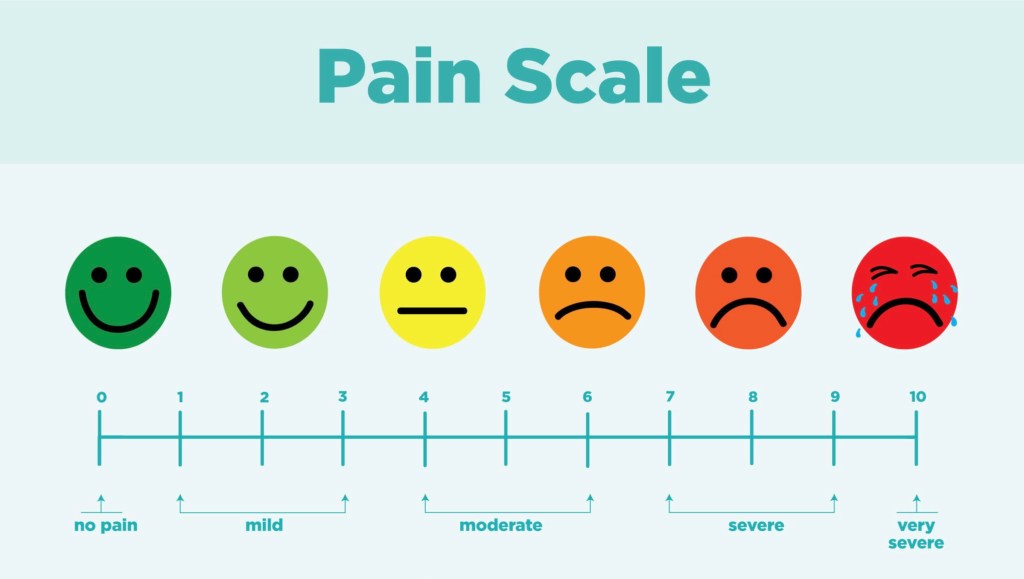
1. Pain scales are often labelled from 0-10. There are no explanations to these numbers. It would be easier if there would be explanations attached to these numbers to be able to rate our pain levels better. Everyone has a different pain tolerance making it hard to pick a number 0-10. What does 5/10 pain level actually entail? Its just a number.
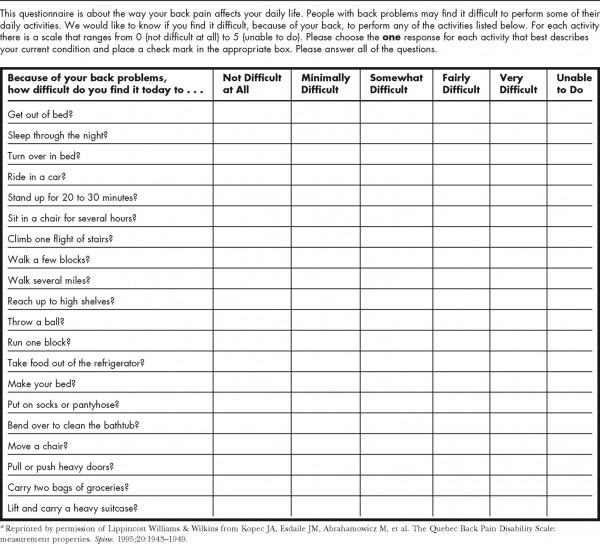
2. Pain scales often reflect only that – pain levels. They often don’t take into account how living with chronic pain changes our daily lives. I often wish this question would be added to the pain scale questionnaires. The pain scales also don’t document that pain levels fluctuate and that with activities most people experience heightened pain levels.
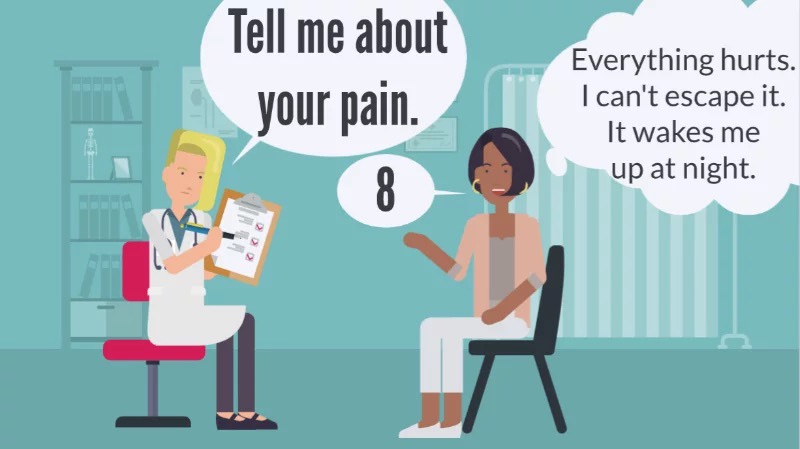
3. Pain scales also do not take into consideration a person’s emotional state. Again, I think it is important to ask questions to include a person’s mental health. Our emotional state can also cause an increase of pain levels. Many people with chronic pain often have anxiety or depression. Both these conditions can exacerbate pain levels.
There may be many more advantages and disadvantages of pain scales, but the above listed are just my personal opinion.

No matter what pain scale is used, the scales must provide health care providers with a baseline to begin treating chronic pain. For myself detailed questionnaires with various questions are more informative in my case. I might have minimal pain in my arms, but extreme pain in my legs. I rather be handed a questionnaire that allows me to answer questions about how the pain affects my daily life then one that asks to rate my pain out of ten.
 FibroFighters