A subject that is rarely discussed in fibromyalgia is irritable bowel syndrome (IBS). IBS and fibromyalgia are two separate conditions, but seem to have a connection between the two. According to the UNC Centre for functional GI and Motility disorders, 70% of patients with a diagnosis of fibromyalgia also have symptoms of irritable bowel syndrome. Fibromyalgia also occurs in 60% of patients with irritable bowel syndrome. For reference of these stats visit here.
When we think of irritable bowel syndrome, most of us probably think about a condition that affects the stomach and intestines (gastrointestinal tract). When a person has IBS the nerves in the “gut” are extremely sensitive and the brain processes these signals from your gut differently then it would if you did not have IBS. For example a small gas pain can trigger IBS symptoms. Just like in fibromyalgia, IBS causes the brain to process the pain differently and responds to stress. In the case of fibromyalgia, our brain misinterprets pain signals and sends out widespread pain, while in irritable bowel syndrome the body responds by causing gastrointestinal tract issues. Both fibromyalgia and IBS serotonin levels are usually low.
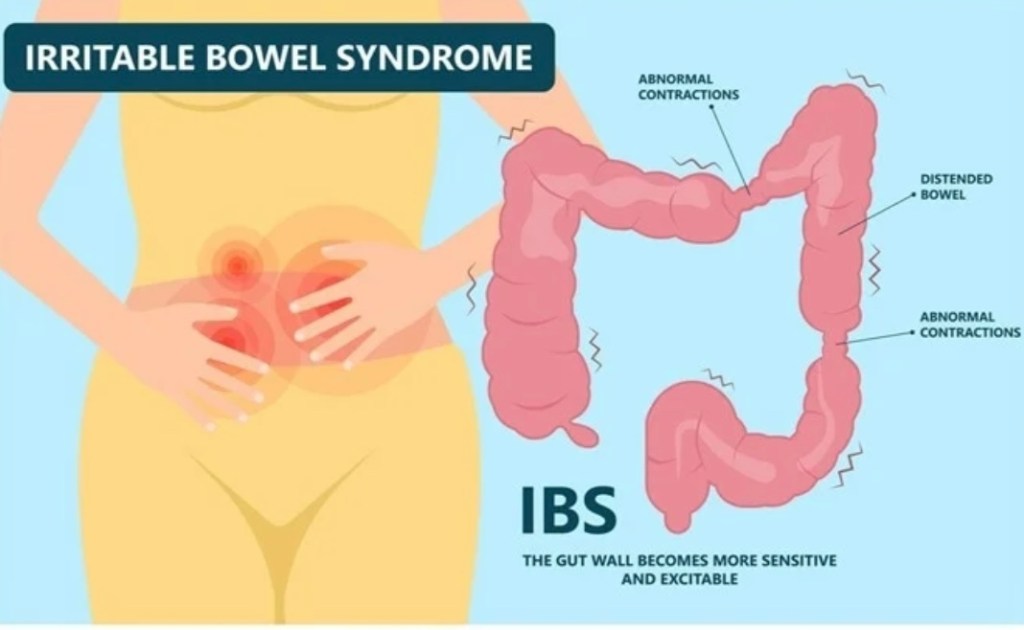
What are the symptoms of irritable bowel syndrome?

Fibromyalgia and IBS are both stress sensitive conditions. This means any stressors (even the small ones) can cause both conditions to “flare up”. However, in IBS experts state that stress is NOT the direct cause, but triggers IBS symptoms. In fibromyalgia, we are told stress can be a root cause. With both conditions flaring up, our body reacts to physical symptoms and emotional symptoms creating anxiety to increase. The increased anxiety adds to the stress our body endures making our pain and symptoms even worse. It becomes a vicious circle.

Ever hear of Central sensitization? If not here is a quick explanation. Your central nervous system ( brain and spinal cord) become extremely sensitive to pain. The sensitivity makes you feel more pain than what you would normally feel, resulting in pain signals in your body increasing. People with fibromyalgia and IBS both exhibit lower pain thresholds. This shared pain sensitivity predicts that both conditions share a common cause, which may explain why both conditions are often seen go coexist.

If you have both conditions, treatment options may overlap as well.
1. Anti depressants may be used in both fibromyalgia and IBS. Many doctors recommend amitriptyline for both conditions. For example, Amitriptyline will increase serotonin levels. In fibromyalgia, it is said to help reduce pain. In IBS amitriptyline blocks pain messages between the gut and the brain limiting hypersensitivity. I assume the same process takes place in fibromyalgia – blocking pain messeges from being sent throughout the body. ( there are more anti depressents used, I just chose one as an example). For more information about IBS and anti depressant use please visit here.

2. Experts also recommend regular exercise. Exercise can help manage IBS symptoms. Low intensity exercise is recommended for both conditions. These exercises include walking, yoga, and swimming. Exercise will not cure IBS, but can help reduce stress therefore limiting IBS symptoms. The same goes for fibromyalgia. Lower stress levels, means lower pain levels. ( not in all cases).

3. A balanced diet is recommended for both conditions. Eating a balanced diet can help alleviate symptoms. Foods that are rich in probiotics may help reduce IBS symptoms. A person can also take a probiotic supplement to be sure to get probiotics. I take a daily supplement, however you can find foods with probiotics such as yogurt and fermented food items.

4. Cognitive behavioral therapy (CBT) is another route being used for fibromyalgia and IBS. If working along side a psychologist , I recommend trying to find one who you are able to connect with and understands chronic pain. It makes a huge difference. CBT for IBS has shown significant effects on symptoms and quality of life. For more information on CBT and IBS visit here.

There are many treatment routes for IBS. My blog only touches on a few of these routes. The routes of treatment will also depend on the severity of irritable bowel syndrome. An individualized treatment plan is important in both fibromyalgia and IBS. Trial and error techniques are often used to determine which treatment routes are best. Everyone’s body is unique and reacts to medications and treatment routes differently.
For more information on IBS visit here.
 FibroFighters